
Eliquis and Blood Pressure Control: A Guide to Heart Health
Managing cardiovascular health requires a careful balance of medications, lifestyle choices, and regular medical check-ups. One important factor in heart health is maintaining proper blood pressure levels while preventing blood clots. Eliquis and blood pressure control is a topic of interest for many individuals taking this anticoagulant.
Eliquis (apixaban) is primarily prescribed to prevent blood clots in people with atrial fibrillation (AFib) and deep vein thrombosis (DVT). However, many wonder if it also plays a role in blood pressure management. This article explores the connection between Eliquis and blood pressure control, its effects on cardiovascular health, and the best ways to manage blood pressure while taking this medication.
Understanding Eliquis and Its Primary Function
Eliquis belongs to a class of medications called direct oral anticoagulants (DOACs). It works by inhibiting Factor Xa, an enzyme responsible for blood clot formation. Doctors often prescribe Eliquis to:
- Reduce the risk of stroke in patients with atrial fibrillation
- Prevent or treat deep vein thrombosis (DVT) and pulmonary embolism (PE)
- Lower the risk of blood clots after hip or knee replacement surgery
While Eliquis does not directly lower blood pressure, its ability to prevent clots can contribute to overall cardiovascular health. Many people taking Eliquis also have high blood pressure, making it essential to understand the relationship between Eliquis and blood pressure control.
Does Eliquis Lower Blood Pressure?
Eliquis does not function as an antihypertensive medication, meaning it does not actively lower blood pressure. However, it can indirectly contribute to better cardiovascular health in several ways:
- Reducing Stroke Risk – High blood pressure increases the risk of stroke due to clot formation. By preventing clots, Eliquis lowers this risk.
- Improving Blood Flow – Eliquis helps maintain smoother circulation, which can reduce strain on the heart and arteries.
- Supporting Heart Health – Individuals with AFib often have both high blood pressure and an increased risk of clots. By managing clot formation, Eliquis can improve overall cardiovascular stability.
Although Eliquis provides these benefits, it is not a substitute for blood pressure medication. Patients must follow a separate treatment plan for Eliquis and blood pressure control if they have hypertension.
Managing Blood Pressure While Taking Eliquis
Since Eliquis does not lower blood pressure, individuals taking this medication should follow additional strategies to maintain healthy levels. Proper blood pressure management includes:
1. Taking the Right Blood Pressure Medications
Doctors often prescribe antihypertensive drugs alongside Eliquis to help control high blood pressure. Common medications include:
- ACE inhibitors (e.g., lisinopril, enalapril)
- Beta-blockers (e.g., metoprolol, atenolol)
- Calcium channel blockers (e.g., amlodipine, diltiazem)
- Diuretics (e.g., hydrochlorothiazide, furosemide)
It is important to consult a doctor before combining Eliquis with any blood pressure medication to avoid potential interactions.
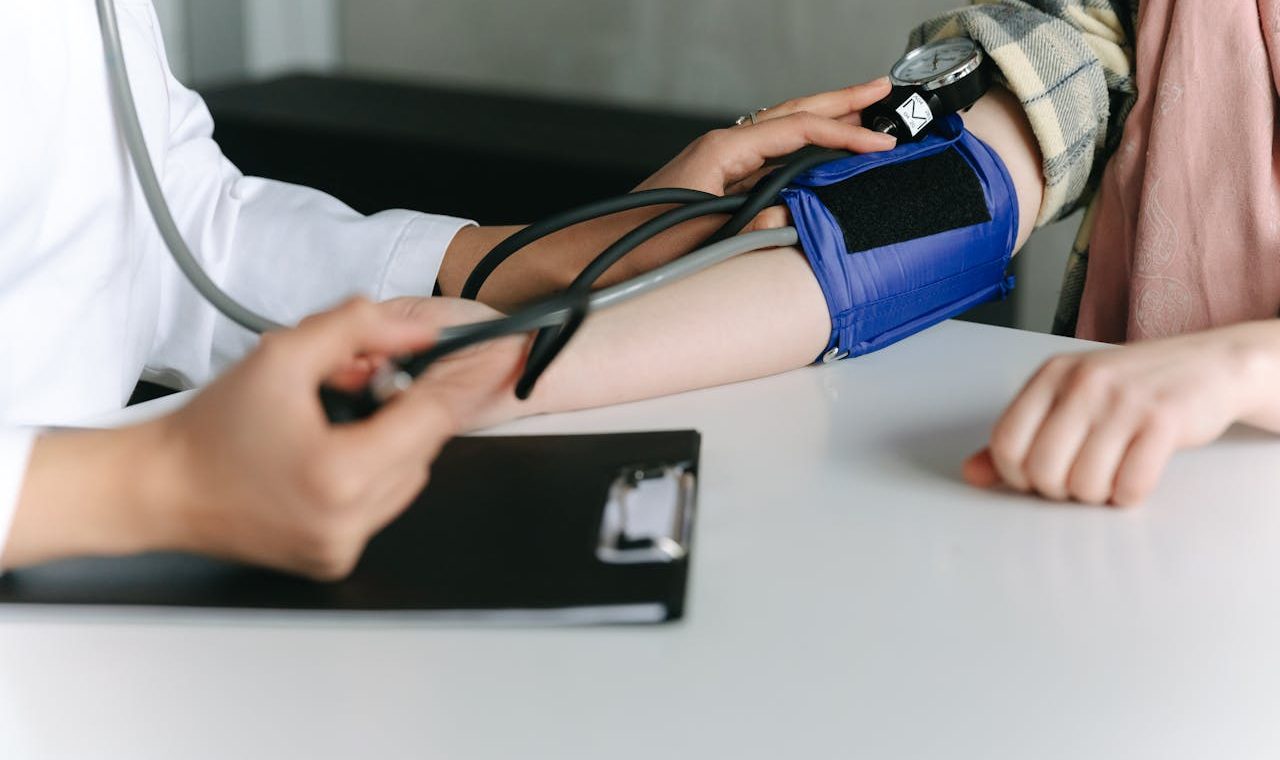
2. Monitoring Blood Pressure Regularly
Tracking blood pressure levels at home helps detect any changes early. People taking Eliquis should:
- Measure their blood pressure at the same time daily
- Keep a log of readings to share with their doctor
- Watch for signs of dangerously high or low blood pressure, such as dizziness, headaches, or chest pain
3. Following a Heart-Healthy Diet
Diet plays a crucial role in both Eliquis and blood pressure control. Eating the right foods can help keep blood pressure stable while reducing clot risk. Beneficial dietary choices include:
- Fruits and vegetables – High in fiber and antioxidants
- Whole grains – Help regulate blood sugar and blood pressure
- Lean proteins – Fish, chicken, and plant-based proteins support heart health
- Healthy fats – Olive oil, avocados, and nuts promote circulation
Patients taking Eliquis should also be mindful of foods that may increase bleeding risks, such as excessive garlic or ginger.
4. Limiting Salt and Processed Foods
Too much sodium can raise blood pressure, making it essential to limit:
- Processed snacks (chips, crackers, frozen meals)
- Fast food and restaurant meals
- High-sodium condiments (soy sauce, salad dressings, ketchup)
Reducing salt intake supports both Eliquis and blood pressure control, preventing additional strain on the heart.
5. Staying Hydrated
Dehydration can lead to blood pressure fluctuations, so drinking enough water is crucial. However, excessive fluid intake should be avoided in individuals with heart or kidney conditions.
6. Exercising Regularly
Physical activity strengthens the heart and supports blood pressure management. Recommended exercises include:
- Walking – A low-impact way to improve circulation
- Swimming – Reduces joint stress while providing cardiovascular benefits
- Cycling – Enhances endurance and heart function
- Yoga – Helps reduce stress, a common contributor to high blood pressure
People on Eliquis should avoid high-contact sports to minimize the risk of bleeding injuries.
7. Managing Stress and Sleep
Chronic stress and poor sleep can elevate blood pressure levels. Relaxation techniques such as deep breathing, meditation, and adequate rest contribute to better cardiovascular health.
Interactions Between Eliquis and Blood Pressure Medications
While Eliquis is generally safe to use with blood pressure medications, some interactions may occur. Common concerns include:
- Increased Bleeding Risk – Certain blood pressure drugs, such as calcium channel blockers, can slightly increase the risk of bleeding when combined with Eliquis.
- Blood Pressure Fluctuations – Some medications may cause blood pressure to drop too low, leading to dizziness or fainting.
- Kidney Function Changes – Eliquis is processed through the kidneys, and some diuretics may affect kidney function, requiring careful monitoring.
Patients should always inform their doctor about any new symptoms or concerns related to Eliquis and blood pressure control.
Signs to Watch for While Taking Eliquis and Managing Blood Pressure
Monitoring health changes is crucial for those using Eliquis and blood pressure control strategies. Patients should seek medical attention if they experience:
- Unusual bleeding or bruising – Eliquis increases bleeding risk, so persistent nosebleeds, gum bleeding, or prolonged cuts should be reported.
- Severe dizziness or fainting – This may indicate blood pressure fluctuations requiring medication adjustments.
- Chest pain or shortness of breath – Could signal heart issues or an adverse reaction to medication.
- Swelling in the legs or sudden weight gain – Might be a sign of fluid retention due to high blood pressure or heart problems.
Conclusion
Understanding the connection between Eliquis and blood pressure control is essential for individuals managing cardiovascular conditions. While Eliquis does not lower blood pressure directly, it plays a vital role in preventing clots and reducing stroke risk. Maintaining healthy blood pressure alongside Eliquis use requires a combination of medication, diet, exercise, and lifestyle changes.
Patients should work closely with their doctors to create a personalized treatment plan, ensuring both clot prevention and stable blood pressure levels. With the right approach, individuals can achieve optimal heart health and a better quality of life.