
Blood Thinners and Insulin Resistance: Managing Your Health Effectively
When managing health conditions such as diabetes or cardiovascular disease, it’s crucial to understand how different medications interact with each other. One area that often raises questions is the relationship between blood thinners and insulin resistance. These two factors can have significant impacts on your health, and their connection is essential to understand for proper treatment and management. This article will explore how blood thinners and insulin resistance are related, the possible effects of their interaction, and what patients need to know to manage these conditions effectively.
What Are Blood Thinners?
Blood thinners, or anticoagulants, are medications that help prevent blood clots. Clots can lead to serious conditions such as heart attacks, strokes, and deep vein thrombosis. Blood thinners work by reducing the ability of blood to clot, which can be beneficial in preventing these conditions. Some common blood thinners include warfarin, heparin, and newer medications like apixaban (Eliquis) and rivaroxaban (Xarelto).
While these medications can save lives, they also come with risks, such as bleeding complications. It’s important for individuals on blood thinners to work closely with their healthcare providers to ensure the medication is effective while minimizing side effects.
What Is Insulin Resistance?
Insulin resistance occurs when the body’s cells become less responsive to insulin, the hormone that helps regulate blood sugar levels. This means the body requires more insulin to achieve the same effect in lowering blood sugar. Over time, insulin resistance can lead to type 2 diabetes, a chronic condition where blood sugar levels are abnormally high.
People with insulin resistance may not immediately experience symptoms, making it a silent condition. However, if left unchecked, it can lead to various health complications, including heart disease, high blood pressure, and stroke. Weight management, physical activity, and certain medications are commonly used to manage insulin resistance.
The Link Between Blood Thinners and Insulin Resistance
The connection between blood thinners and insulin resistance is multifaceted. While they don’t directly affect each other, both conditions influence cardiovascular health, and managing one can often have an impact on the other. Here’s how:
1. Increased Risk of Cardiovascular Events
Both insulin resistance and the need for blood thinners can stem from underlying cardiovascular issues. Insulin resistance can damage blood vessels, leading to a higher risk of blood clots. On the other hand, blood thinners are prescribed to manage or prevent such clots, especially in people with heart disease.
2. Impact on Blood Circulation
Insulin resistance can lead to poor circulation, which may increase the risk of developing blood clots. For individuals with both conditions, blood thinners can help manage the risk of clotting. However, balancing the effects of insulin resistance with the use of blood thinners requires careful medical supervision.
3. Medications and Interactions
Some medications used to manage insulin resistance, like metformin, may affect the absorption or effectiveness of blood thinners. It is essential to monitor for interactions between the drugs. For example, blood thinners like warfarin can be influenced by dietary changes or other medications, including those used to control blood sugar.
Managing Blood Thinners and Insulin Resistance Together
If you are managing blood thinners and insulin resistance, it is crucial to follow a comprehensive treatment plan designed by your healthcare provider. Here are some key strategies:
1. Monitoring Blood Sugar Levels
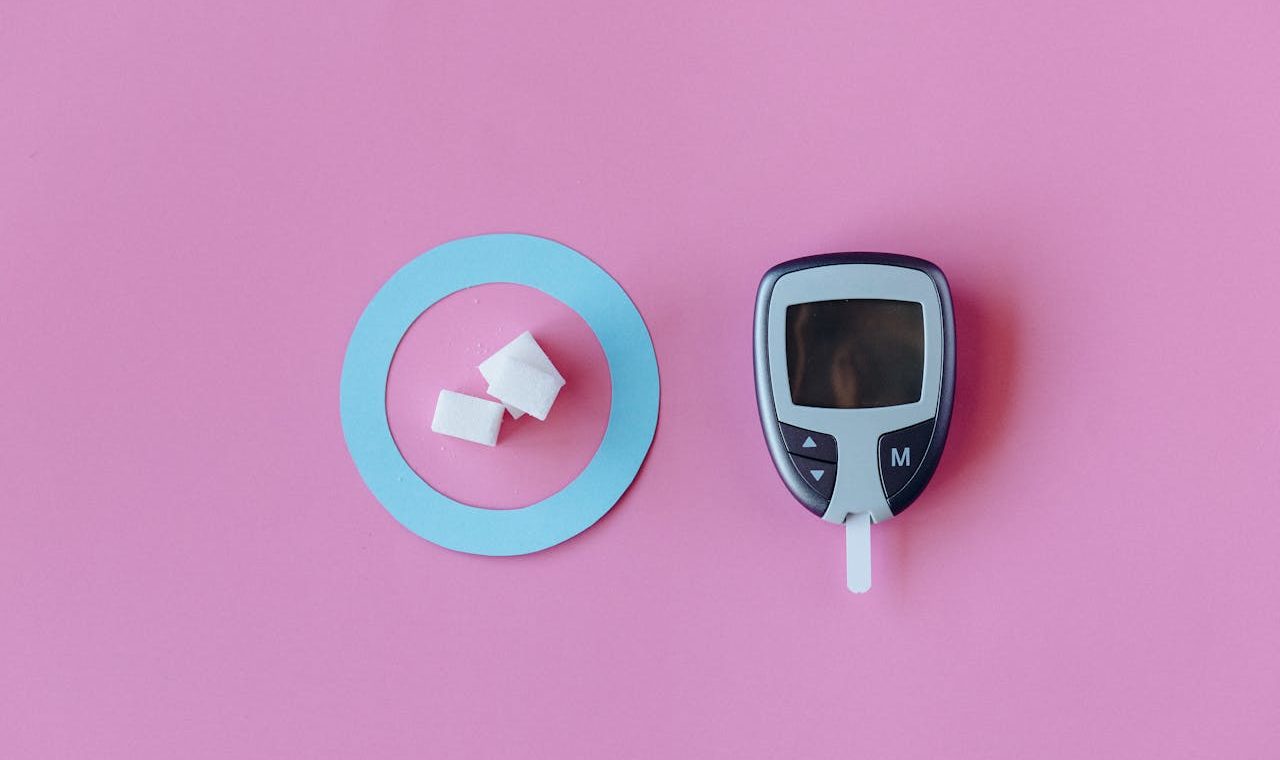
Regular monitoring of blood sugar levels is essential for individuals with insulin resistance. Keeping blood sugar levels under control can help reduce the strain on the body and minimize complications associated with both insulin resistance and the use of blood thinners.
2. Consistent Medication Use
Take your medications as prescribed. For blood thinners, this means taking them at the correct dose and time. For insulin resistance, managing your blood sugar with prescribed medications (like metformin) can help keep your glucose levels in check.
3. Healthy Lifestyle Choices
Diet and exercise play a crucial role in managing both insulin resistance and the need for blood thinners. A healthy diet low in processed sugars and rich in fiber, along with regular physical activity, can improve insulin sensitivity and help maintain a healthy weight.
4. Regular Check-Ups
When taking blood thinners and managing insulin resistance, it’s vital to see your healthcare provider regularly. Blood tests to check your clotting levels and blood sugar can help ensure your medications are working effectively.
5. Managing Side Effects
Both blood thinners and insulin resistance treatments can have side effects. For example, blood thinners can cause bleeding complications, while insulin resistance medications may cause gastrointestinal issues. Working with your healthcare provider to address these side effects can help improve your quality of life.
Dietary Considerations for Blood Thinners and Insulin Resistance
When dealing with blood thinners and insulin resistance, diet is an essential factor. Foods can either help or hinder the effectiveness of these medications.
1. Vitamin K and Blood Thinners
If you are on warfarin, it is important to maintain a consistent intake of vitamin K. This vitamin can affect how well blood thinners work. Green leafy vegetables like spinach, kale, and broccoli are rich in vitamin K, so it’s important to consume them in moderation.
2. Managing Carbohydrates for Insulin Resistance
People with insulin resistance should focus on eating a balanced diet rich in complex carbohydrates, such as whole grains, vegetables, and legumes. Reducing simple sugars and processed foods can help manage insulin resistance and maintain steady blood sugar levels.
3. Omega-3 Fatty Acids
Omega-3 fatty acids, found in fatty fish like salmon, can help reduce inflammation and improve heart health. These are beneficial for individuals managing both insulin resistance and the need for blood thinners.
4. Low Sodium Diet
Sodium can increase blood pressure, which is already a risk factor in people with insulin resistance. Consuming a low-sodium diet can help manage blood pressure and reduce the risk of cardiovascular events.
Potential Complications and Risks
It is important to be aware of the potential complications when managing blood thinners and insulin resistance. Some of the risks include:
1. Increased Risk of Bleeding
Since blood thinners reduce the blood’s ability to clot, there can be a higher risk of bleeding in case of injury. Additionally, insulin resistance can contribute to poor circulation, which could complicate any bleeding episode.
2. Blood Sugar Fluctuations
Managing both conditions requires careful monitoring of blood sugar levels. Sudden spikes or drops in blood sugar could affect how your body responds to blood thinners and increase the risk of complications.
3. Drug Interactions
Some medications used for insulin resistance may interact with blood thinners, altering their effectiveness. It’s important to communicate with your healthcare provider about all medications you are taking, including any over-the-counter supplements.
Conclusion
Managing blood thinners and insulin resistance simultaneously can be challenging, but with the right treatment plan and lifestyle choices, it is possible to minimize risks and lead a healthier life. Regular medical check-ups, proper medication adherence, and attention to diet and exercise are essential for managing both conditions effectively. Always work closely with your healthcare team to ensure that both conditions are treated optimally.
By understanding the connection between blood thinners and insulin resistance, patients can make informed decisions about their healthcare and reduce their risk of complications.