
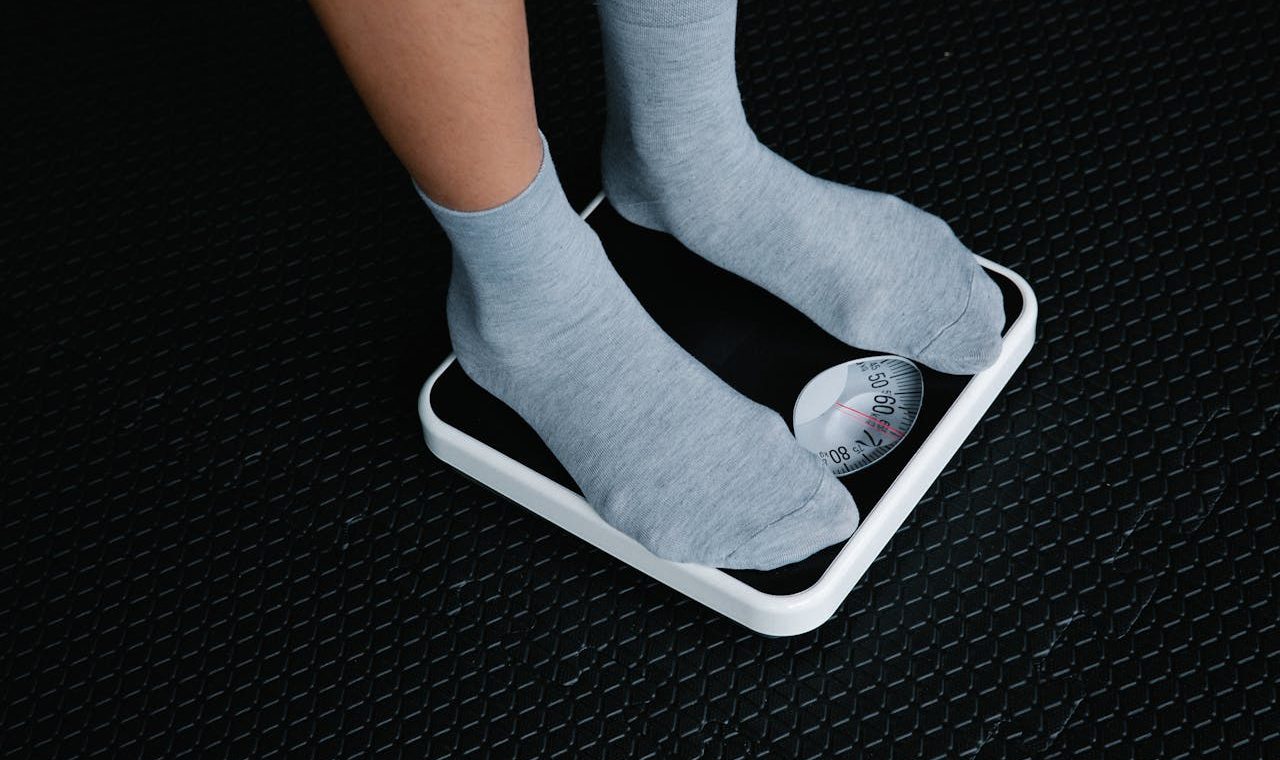
Eliquis and Weight Management: Understanding the Connection
When it comes to managing weight while taking medications, many people wonder about the effects of Eliquis and weight management. Eliquis (apixaban) is a widely used blood thinner prescribed to reduce the risk of stroke and blood clots. While it is effective for these conditions, some users have concerns about potential weight changes. Understanding how Eliquis interacts with the body can help individuals make informed decisions about their health and weight management strategies.
How Eliquis Works in the Body
Eliquis belongs to a class of medications known as anticoagulants, specifically Factor Xa inhibitors. It prevents the formation of harmful blood clots by interfering with a protein in the blood that promotes clotting. Unlike older blood thinners such as warfarin, Eliquis does not require regular blood monitoring, making it a convenient option for many patients.
Despite its benefits, some individuals report weight fluctuations while on Eliquis. However, clinical studies do not list weight gain or loss as a common side effect. Instead, other indirect factors might contribute to weight changes in people taking Eliquis.
Can Eliquis Cause Weight Gain?
There is no direct evidence that Eliquis causes weight gain. However, some users report experiencing fluid retention, bloating, or changes in appetite. Here are a few reasons why weight gain might occur while taking Eliquis:
- Fluid Retention: Some people experience mild swelling in their legs or feet, which can create a sensation of weight gain.
- Reduced Activity Levels: People prescribed Eliquis are often dealing with conditions that limit physical activity, leading to reduced calorie expenditure.
- Dietary Changes: Some individuals may change their diet due to health concerns, potentially increasing their calorie intake.
- Underlying Health Conditions: The medical conditions that require Eliquis, such as atrial fibrillation or deep vein thrombosis, may indirectly affect metabolism and weight.
- Metabolic Slower Rate: As people age, metabolism slows down, and if they are already on Eliquis, they may experience weight fluctuations.
- Emotional Eating: Stress and anxiety from taking a blood thinner can lead to unhealthy eating habits, causing weight gain.
- Medication Interactions: Some drugs taken alongside Eliquis may contribute to weight gain as a side effect.
While these factors can contribute to weight gain, they are not caused directly by Eliquis. Managing weight effectively requires focusing on diet, exercise, and overall health.
Can Eliquis Cause Weight Loss?
On the other hand, some people report losing weight while taking Eliquis. Though there is no clear scientific link between Eliquis and weight loss, potential reasons include:
- Loss of Appetite: Some individuals may experience mild digestive discomfort, leading to reduced food intake.
- Improved Circulation: For those who previously suffered from circulation issues, better blood flow might improve energy levels and activity.
- Stress and Anxiety: Being prescribed a blood thinner can cause stress, which may result in reduced appetite and unintentional weight loss.
- Lifestyle Adjustments: Many people adopt a healthier lifestyle when starting Eliquis, leading to weight loss due to improved diet and exercise habits.
- Increased Metabolic Rate: Some individuals may experience a metabolic boost due to better circulation and an overall improvement in cardiovascular health.
- Healthier Eating Habits: Some patients become more conscious of their diet after starting Eliquis, which may contribute to weight loss.
- Underlying Illnesses: If weight loss is significant and unexplained, it could be due to an underlying health condition rather than Eliquis itself.
Since weight loss while taking Eliquis is not a common side effect, patients experiencing significant weight changes should consult their healthcare provider.
Tips for Managing Weight While Taking Eliquis
Maintaining a healthy weight is essential for overall well-being, especially when taking blood thinners. Here are some tips to support Eliquis and weight management:
1. Monitor Your Diet
- Eat a balanced diet: Focus on whole foods, lean proteins, healthy fats, and complex carbohydrates.
- Limit processed foods: Processed foods are often high in sodium, which can contribute to fluid retention.
- Control portion sizes: Avoid overeating by measuring portions and eating mindfully.
- Stay hydrated: Drinking enough water can help prevent bloating and fluid retention.
- Track your calories: Keeping a food diary can help monitor food intake and prevent unnecessary weight gain.
- Consult a nutritionist: A professional can help tailor a diet plan suited to your medical needs.
2. Engage in Regular Physical Activity
- Choose low-impact exercises: Activities like walking, swimming, and cycling are safe for those on blood thinners.
- Avoid high-risk activities: Sports with a high risk of injury, such as contact sports, should be avoided due to the increased risk of bleeding.
- Incorporate strength training: Building muscle helps boost metabolism and maintain a healthy weight.
- Stay consistent: Aim for at least 150 minutes of moderate exercise per week.
- Stretch daily: Flexibility exercises help prevent stiffness and encourage better circulation.
- Take frequent walks: Walking regularly can improve heart health and aid in weight management.
- Set realistic goals: Small, achievable fitness goals help maintain motivation and consistency.
3. Manage Stress and Mental Health
- Practice mindfulness: Stress management techniques like meditation and yoga can help prevent emotional eating.
- Get enough sleep: Poor sleep can disrupt metabolism and lead to weight gain.
- Seek support: Talking to a healthcare provider or support group can help with weight management concerns.
- Stay socially active: Engaging with friends and family can help reduce stress and maintain emotional balance.
- Keep a gratitude journal: Focusing on positive aspects of health can prevent stress-related weight changes.
4. Track Weight Changes
- Keep a weight journal: Record weight fluctuations to monitor any significant changes.
- Check for fluid retention: If you notice swelling, consult your doctor about possible solutions.
- Discuss concerns with a doctor: Significant weight gain or loss should be evaluated to rule out underlying issues.
- Use a smart scale: Advanced scales track weight, muscle mass, and body fat percentage for better health monitoring.
- Stay informed: Researching more about how Eliquis affects the body can help set realistic expectations.
Conclusion
The relationship between Eliquis and weight management is not straightforward. While Eliquis itself does not directly cause weight gain or loss, indirect factors such as fluid retention, lifestyle changes, and activity levels can influence body weight. By maintaining a balanced diet, engaging in regular exercise, and tracking weight changes, individuals can manage their weight effectively while taking Eliquis.
If you experience unexplained weight changes, it is always best to consult your healthcare provider. Proper weight management can improve overall health and help you get the most benefits from your treatment. By staying proactive and making smart lifestyle choices, you can maintain a healthy weight while benefiting from Eliquis’ protective effects against blood clots and stroke.