
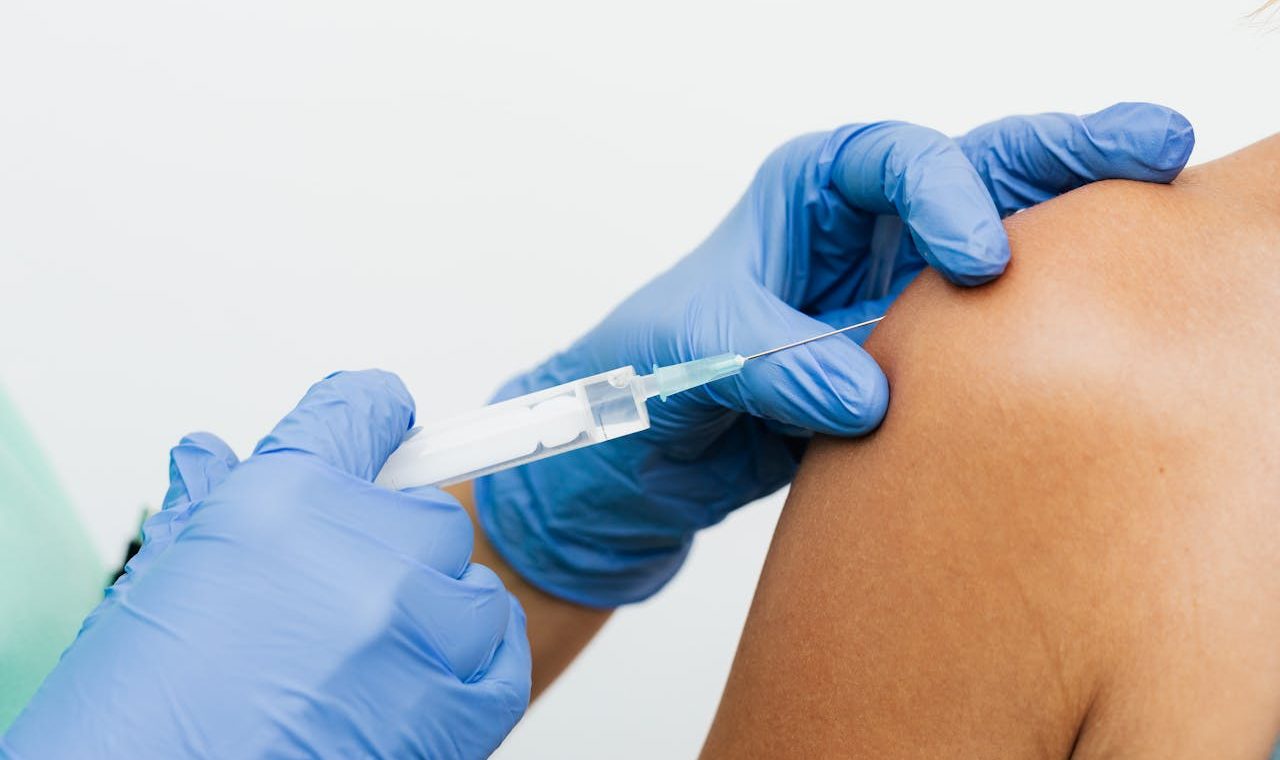
Expert Tips on How to Inject Mounjaro Correctly
Mounjaro (tirzepatide) is a prescription medication used to help manage blood sugar levels in adults with type 2 diabetes. It is an injectable medication that must be administered properly to ensure effectiveness and reduce the risk of complications. Learning how to inject Mounjaro correctly is essential for safe and effective treatment. This guide will provide you with expert tips to help you with the process.
Understanding Mounjaro Injections
Mounjaro is a once-weekly injection that is self-administered. It comes in a prefilled, single-dose pen designed for easy use. The injection is given subcutaneously (under the skin) in the abdomen, thigh, or upper arm. Understanding how to inject Mounjaro correctly will help you feel confident and comfortable with the process.
Preparation Before Injecting
Before administering Mounjaro, follow these important steps to ensure a smooth and safe injection:
- Wash Your Hands: Always wash your hands thoroughly with soap and water to prevent infection.
- Check the Medication: Ensure that the pen contains the correct dose and that the liquid inside is clear and colorless.
- Choose an Injection Site: The recommended areas for injection are the abdomen, thigh, or upper arm. Rotate injection sites each week to avoid irritation.
- Clean the Skin: Use an alcohol swab to clean the chosen injection site and let it dry completely.
- Gather Supplies: Have all necessary supplies, including your pen, alcohol swabs, and a sharps container, within reach before beginning the injection process.
- Inspect the Pen: Look for any signs of damage or leakage. Do not use the pen if it appears damaged or the medication looks cloudy.
Step-by-Step Guide on How to Inject Mounjaro Correctly
- Remove the Cap: Take off the cap from the Mounjaro pen and set it aside.
- Prime the Pen (If Required): Some pens require priming to ensure the medication flows correctly. Follow the instructions provided with your pen.
- Position the Pen: Hold the pen at a 90-degree angle against your skin at the injection site.
- Press the Injection Button: Firmly press the injection button until you hear a click. Hold the pen in place for at least 10 seconds to ensure the full dose is delivered.
- Remove the Pen: Gently remove the pen from your skin and check that the medication has been fully injected.
- Dispose of the Pen Properly: Place the used pen in a designated sharps container to prevent injury and contamination.
- Monitor for Reactions: Look for any signs of redness, swelling, or irritation at the injection site. If you experience severe side effects, contact your healthcare provider immediately.
- Record the Injection: Keeping track of injection dates and sites can help ensure consistent and accurate dosing while avoiding injecting into the same spot too frequently.
Tips for a Smooth Injection
- Always inject at the same time each week to maintain consistency.
- Store the pen in the refrigerator but allow it to reach room temperature before injecting.
- Avoid injecting into areas with scars, bruises, or stretch marks.
- If you miss a dose, take it as soon as possible, but do not inject two doses at once.
- If you are unsure about how to inject Mounjaro correctly, consult your healthcare provider or pharmacist.
- Keep a log of your injections, including the date, time, and site of administration, to track consistency and avoid injection site fatigue.
Common Mistakes to Avoid
Even with careful preparation, mistakes can happen. Here are some errors to avoid:
- Skipping Dose Checks: Always double-check the dose before injecting.
- Reusing Needles: Each pen is single-use; never attempt to reuse it.
- Injecting into Muscle: Mounjaro should only be injected under the skin, not into muscle tissue.
- Using an Expired Pen: Check the expiration date before use.
- Forgetting to Rotate Injection Sites: Repeatedly using the same injection site can cause irritation and affect medication absorption.
- Not Holding the Pen Long Enough: Ensure you hold the injection button for the recommended time to allow the full dose to be administered.
When to Seek Medical Help
If you experience any of the following, seek medical attention immediately:
- Severe allergic reactions such as swelling, rash, or difficulty breathing
- Persistent nausea, vomiting, or severe abdominal pain
- Unusual swelling or severe bruising at the injection site
- Signs of low blood sugar such as dizziness, confusion, sweating, or rapid heartbeat
Additional Advice for First-Time Users
If this is your first time using Mounjaro, it is helpful to have a healthcare provider demonstrate the injection technique. Watching instructional videos or reading the manufacturer’s guidelines can also provide added confidence. If you feel nervous about injecting yourself, consider practicing with a healthcare professional before self-administering at home.
Frequently Asked Questions (FAQs)
1. Can I inject Mounjaro in the same spot every time?
No, it is recommended to rotate injection sites to prevent irritation and tissue damage.
2. Does the injection hurt?
Most users report minimal pain, similar to a small pinch. Letting the pen warm to room temperature can reduce discomfort.
3. Can I inject Mounjaro at any time of the day?
Yes, but it is best to inject at the same time each week for consistency.
4. What should I do if I injected the wrong dose?
Contact your healthcare provider immediately for guidance.
5. How should I store my Mounjaro pen?
Store it in the refrigerator but avoid freezing. If needed, it can be kept at room temperature for up to 21 days.
Conclusion
Knowing how to inject Mounjaro correctly is crucial for effective diabetes management. By following proper injection techniques, rotating injection sites, and avoiding common mistakes, you can ensure a safe and effective experience. Always follow your healthcare provider’s guidance and refer to this guide whenever you need a refresher. If you ever feel uncertain about administering your injection, do not hesitate to seek professional assistance. Taking control of your treatment plan will help you achieve better health outcomes and improved well-being.