
Blood Thinners and Diet Adjustments: A Guide to Safe and Effective Eating
Blood thinners play a crucial role in preventing dangerous blood clots, reducing the risk of conditions such as stroke, heart attack, and deep vein thrombosis (DVT). While these medications are effective, they require careful monitoring, especially regarding diet. Certain foods and nutrients can interact with blood thinners, either enhancing their effects or reducing their effectiveness, which can lead to serious health risks.
This is why understanding blood thinners and diet adjustments is essential for anyone taking these medications. A well-balanced diet can help maintain the proper functioning of blood thinners while minimizing potential complications.
In this detailed guide, we will explore how blood thinners work, why diet matters, the best foods to eat, foods to avoid, and practical tips for maintaining a healthy lifestyle while taking blood thinners.
Understanding How Blood Thinners Work
Blood thinners prevent blood clots from forming or growing larger. These medications are often prescribed to individuals with heart disease, atrial fibrillation, deep vein thrombosis, or those who have had a stroke.
There are two main types of blood thinners:
1. Anticoagulants
Anticoagulants slow down the body’s clotting process, reducing the risk of excessive clot formation. Common anticoagulants include:
- Warfarin (Coumadin) – A widely used anticoagulant that requires regular blood monitoring.
- Apixaban (Eliquis) – A newer anticoagulant with fewer dietary restrictions.
- Rivaroxaban (Xarelto) – Another direct oral anticoagulant with predictable effects.
2. Antiplatelets
Antiplatelet drugs prevent platelets in the blood from sticking together and forming clots. These medications are commonly prescribed to individuals at risk for heart disease or stroke. Common antiplatelets include:
- Aspirin – Often used for heart attack and stroke prevention.
- Clopidogrel (Plavix) – A medication prescribed for individuals with a history of heart disease.
While these medications are essential, they must be managed carefully, especially in relation to diet.
Why Diet Matters for Blood Thinner Users
Certain foods and beverages can interfere with the way blood thinners work. Some foods enhance their effects, increasing the risk of excessive bleeding, while others counteract them, increasing the risk of clot formation.
Key Dietary Factors That Affect Blood Thinners
- Vitamin K Can Counteract Warfarin – Warfarin works by blocking vitamin K, which is essential for blood clotting. If you consume too much or too little vitamin K, warfarin may not work properly.
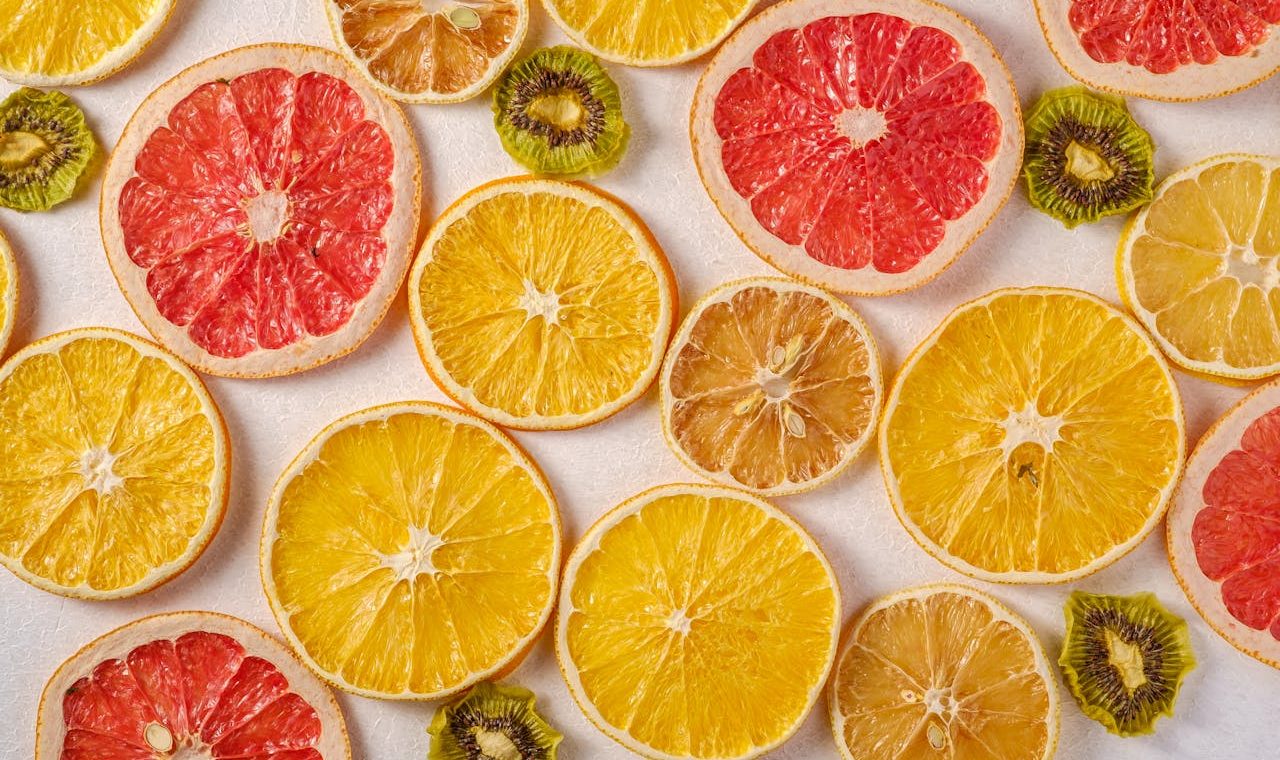
- Grapefruit and Cranberry Juice Can Alter Medication Metabolism – These beverages affect how the liver processes blood thinners, leading to potential complications.
- Alcohol Can Increase Bleeding Risks – Excessive alcohol intake can thin the blood too much, leading to a higher risk of internal bleeding.
- Herbal Supplements May Interact with Medications – Certain herbs and supplements can enhance or weaken the effects of blood thinners.
A well-balanced diet is key to maintaining the effectiveness of blood thinners while preventing complications.
Best Foods to Eat While on Blood Thinners
If you are taking blood thinners, focusing on a heart-healthy, balanced diet is essential. The following foods are generally safe and beneficial:
1. Lean Proteins
- Skinless poultry, fish, and tofu provide essential protein without interfering with medication.
- Fatty fish like salmon, mackerel, and sardines contain omega-3 fatty acids, which support heart health without increasing clotting risks.
2. Whole Grains
- Brown rice, quinoa, whole wheat bread, and oats provide fiber and help regulate blood sugar.
- Avoid highly processed grains like white bread and sugary cereals, which may contribute to inflammation.
3. Fruits and Vegetables
- Most fruits and vegetables are safe to eat in moderate amounts.
- Leafy greens like spinach, kale, and broccoli contain vitamin K, so if taking warfarin, consume them consistently rather than eliminating them completely.
4. Nuts and Seeds
- Almonds, walnuts, and flaxseeds provide healthy fats and essential nutrients.
- These foods support heart health and do not interfere with most blood thinners.
5. Dairy Products
- Low-fat dairy such as yogurt, cheese, and milk provides calcium and protein without affecting medication efficacy.
- Avoid high-fat dairy products, which can contribute to cardiovascular problems.
By incorporating these foods into your diet, you can manage blood thinners and diet adjustments effectively.
Foods to Avoid or Limit While Taking Blood Thinners
Some foods and drinks can interfere with blood thinners, leading to increased health risks. It is important to avoid or moderate your intake of these items.
1. High-Vitamin K Foods (For Warfarin Users Only)
If taking warfarin, be mindful of vitamin K-rich foods. Instead of avoiding them entirely, eat them in consistent amounts.
- High-vitamin K foods include:
- Spinach, kale, and collard greens
- Brussels sprouts and broccoli
- Cabbage and asparagus
2. Grapefruit and Cranberry Juice
- These juices can interfere with liver enzymes that process blood thinners, leading to stronger or weaker medication effects.
3. Alcohol
- Alcohol thins the blood and increases the risk of excessive bleeding.
- It is best to avoid or consume in very limited amounts.
4. Herbal Supplements
Certain supplements can interfere with blood thinners, leading to dangerous interactions. These include:
- Ginkgo biloba
- Garlic supplements
- Ginseng
- St. John’s Wort
- Turmeric supplements
5. Processed and High-Sodium Foods
- Processed meats, canned soups, and fast foods contain excessive sodium, which can contribute to high blood pressure and heart problems.
Avoiding or moderating these foods can help ensure the safety and effectiveness of blood thinners.
Tips for Managing Blood Thinners and Diet Adjustments
Successfully managing blood thinners and diet adjustments requires consistency and careful planning. Here are some practical tips:
1. Maintain a Consistent Diet
- If taking warfarin, keep vitamin K intake stable rather than drastically increasing or decreasing it.
- Avoid sudden dietary changes that could impact medication effectiveness.
2. Read Food Labels
- Check for hidden sources of vitamin K, especially in processed and fortified foods.
- Monitor sodium levels to maintain heart health.
3. Monitor Your INR Levels
- If prescribed warfarin, regular INR (International Normalized Ratio) tests help ensure your blood is clotting at the right rate.
4. Communicate with Your Doctor
- Inform your healthcare provider about any major dietary changes.
- Always consult your doctor before taking new supplements.
5. Stay Hydrated
- Drink plenty of water to support circulation and overall health.
By following these strategies, you can effectively balance blood thinners and diet adjustments without compromising your health.
Final Thoughts on Blood Thinners and Diet Adjustments
Understanding blood thinners and diet adjustments is essential for anyone on anticoagulant or antiplatelet therapy. A well-planned diet helps ensure that medications work properly while reducing potential risks.
- Focus on heart-healthy foods like lean proteins, whole grains, and non-starchy vegetables.
- Eat vitamin K-rich foods consistently rather than eliminating them completely.
- Avoid excessive alcohol, grapefruit juice, and herbal supplements.
- Monitor INR levels and communicate with your doctor about dietary concerns.
With the right approach, managing blood thinners and diet adjustments can support both medication effectiveness and overall well-being, allowing you to maintain a healthy and balanced lifestyle.