
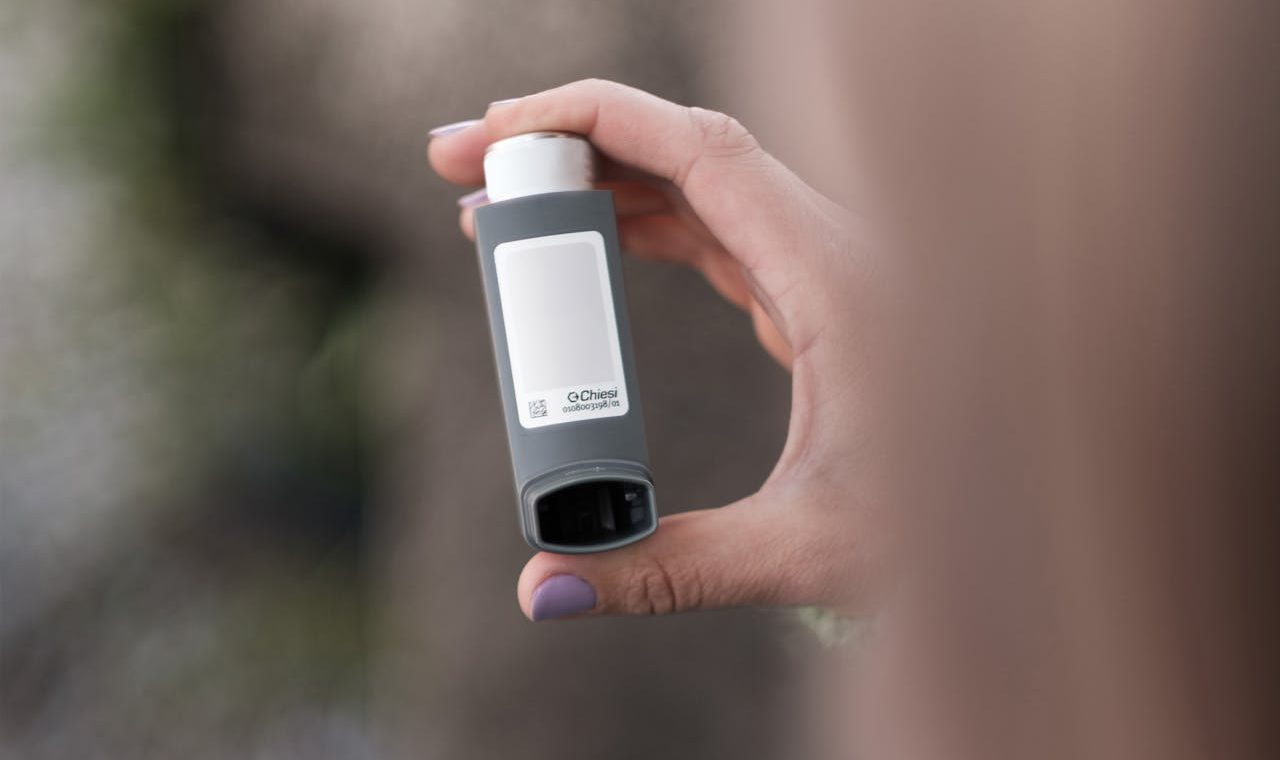
Flovent Dosage Adjustments: A Comprehensive Guide
Flovent is a commonly prescribed inhaled corticosteroid used to manage asthma and other respiratory conditions. Finding the right Flovent dosage adjustments is essential for effective treatment and symptom control. This article explores how Flovent dosage is adjusted, factors affecting dosage changes, and important guidelines for safe and effective use.
Understanding Flovent and Its Role in Asthma Management
Flovent (fluticasone propionate) is an inhaled corticosteroid designed to reduce inflammation in the airways, making breathing easier for asthma patients. It is available in different formulations, including Flovent HFA (metered-dose inhaler) and Flovent Diskus (dry powder inhaler). While it does not provide immediate relief, regular use helps prevent asthma attacks.
Flovent dosage adjustments are necessary based on patient response, severity of asthma, and doctor recommendations. Adjustments ensure the medication remains effective without causing unnecessary side effects.
Factors Influencing Flovent Dosage Adjustments
Several factors affect how Flovent dosage is adjusted:
- Severity of Symptoms – Patients with mild asthma may require lower doses, while severe cases need higher doses for symptom control.
- Patient Age – Dosage recommendations differ for children, adolescents, and adults.
- Previous Response to Treatment – If a patient’s symptoms persist despite medication, dosage adjustments may be necessary.
- Side Effects – If a patient experiences adverse effects like hoarseness or throat irritation, doctors may reduce the dosage.
- Other Medications – Drug interactions can impact how Flovent works, requiring dosage changes.
- Long-Term Asthma Control Goals – Doctors may adjust the dosage depending on whether the goal is symptom prevention or reduction of medication use over time.
Recommended Flovent Dosage Guidelines
Adults and Adolescents (12 Years and Older)
- Mild to Moderate Asthma: Initial dose is usually 88 mcg twice daily.
- Severe Asthma: Dosage may be increased to 440 mcg twice daily.
- Maximum Dose: 880 mcg twice daily for severe cases.
Children (4-11 Years Old)
- Starting Dose: 88 mcg twice daily.
- Maximum Dose: 88 mcg twice daily (higher doses are not recommended for children without a doctor’s approval).
Children Under 4 Years
Flovent is not typically prescribed for children under four due to insufficient safety data. If prescribed, a doctor will determine an appropriate dosage.
When and How to Adjust Flovent Dosage
Doctors adjust Flovent dosage adjustments based on ongoing assessment of asthma control. Here are common scenarios:
Increasing the Dosage
- If symptoms persist despite regular use.
- If nighttime asthma symptoms increase.
- If a patient frequently uses a rescue inhaler (like albuterol).
Decreasing the Dosage
- If asthma symptoms remain well-controlled for three months or longer.
- If the patient experiences side effects such as oral thrush or voice changes.
- If the doctor recommends stepping down therapy to minimize medication use.
How to Properly Use Flovent for Best Results
- Use Flovent at the Same Time Each Day – Consistency improves effectiveness.
- Rinse Mouth After Use – This helps prevent oral thrush, a common side effect.
- Monitor Symptoms – Keep track of changes in breathing and asthma control.
- Follow Doctor’s Instructions – Never change the dosage without medical advice.
- Use a Spacer (for HFA Inhalers) – Spacers improve medication delivery to the lungs.
Common Side Effects and When to Seek Help
Some patients experience mild side effects that may necessitate Flovent dosage adjustments, including:
- Hoarseness or voice changes.
- Sore throat or throat irritation.
- Oral thrush (a yeast infection in the mouth).
- Coughing after inhalation.
Seek medical attention if experiencing severe allergic reactions, worsening asthma symptoms, or difficulty breathing.
Special Considerations for Dosage Adjustments
Flovent and Pregnancy
Pregnant women should consult their doctor before making any Flovent dosage adjustments. Inhaled corticosteroids like Flovent are generally considered safer than oral steroids, but dosage should be carefully monitored.
Flovent and Older Adults
Older patients may require lower doses due to slower metabolism and increased risk of side effects. Regular monitoring is essential to avoid overuse or underuse.
Switching from Oral Steroids to Flovent
If transitioning from oral steroids like prednisone to Flovent, doctors will gradually adjust the dosage to prevent withdrawal symptoms and maintain asthma control.
The Importance of Regular Follow-Ups
Asthma is a chronic condition that changes over time. Patients should schedule regular check-ups to ensure their treatment remains effective. If asthma symptoms worsen or side effects occur, Flovent dosage adjustments may be needed.
Conclusion
Finding the right Flovent dosage adjustments is crucial for managing asthma effectively. Dosage changes should always be made under a doctor’s supervision to ensure safety and effectiveness. By monitoring symptoms, following medical guidance, and using Flovent correctly, patients can achieve better asthma control and improved quality of life.