
Humalog and Keto Diet: A Guide to Safe Blood Sugar Management
The Humalog and keto diet combination is a topic of growing interest among individuals managing diabetes while following a low-carb lifestyle. As more people adopt the ketogenic diet for weight loss and blood sugar control, it’s essential to understand how rapid-acting insulin like Humalog interacts with this way of eating. Managing insulin properly on keto can help prevent complications and optimize health outcomes.
Understanding Humalog and Its Role in Blood Sugar Control
Humalog (insulin lispro) is a fast-acting insulin used to regulate blood sugar levels in people with diabetes. It is commonly prescribed to those with type 1 diabetes and sometimes for type 2 diabetes patients requiring mealtime insulin.
Humalog starts working within 15 minutes of injection, peaks in about an hour, and lasts for 2 to 4 hours. Because of this rapid action, it is often taken before meals to manage post-meal blood sugar spikes. However, when following a keto diet, carbohydrate intake is significantly reduced, which can impact how much Humalog is needed.
What Is the Keto Diet?
The ketogenic diet is a high-fat, moderate-protein, and low-carbohydrate diet designed to shift the body’s metabolism from using glucose to burning fat for energy. This process, called ketosis, reduces blood sugar fluctuations and can help with weight loss, insulin sensitivity, and overall metabolic health.
A standard keto diet consists of:
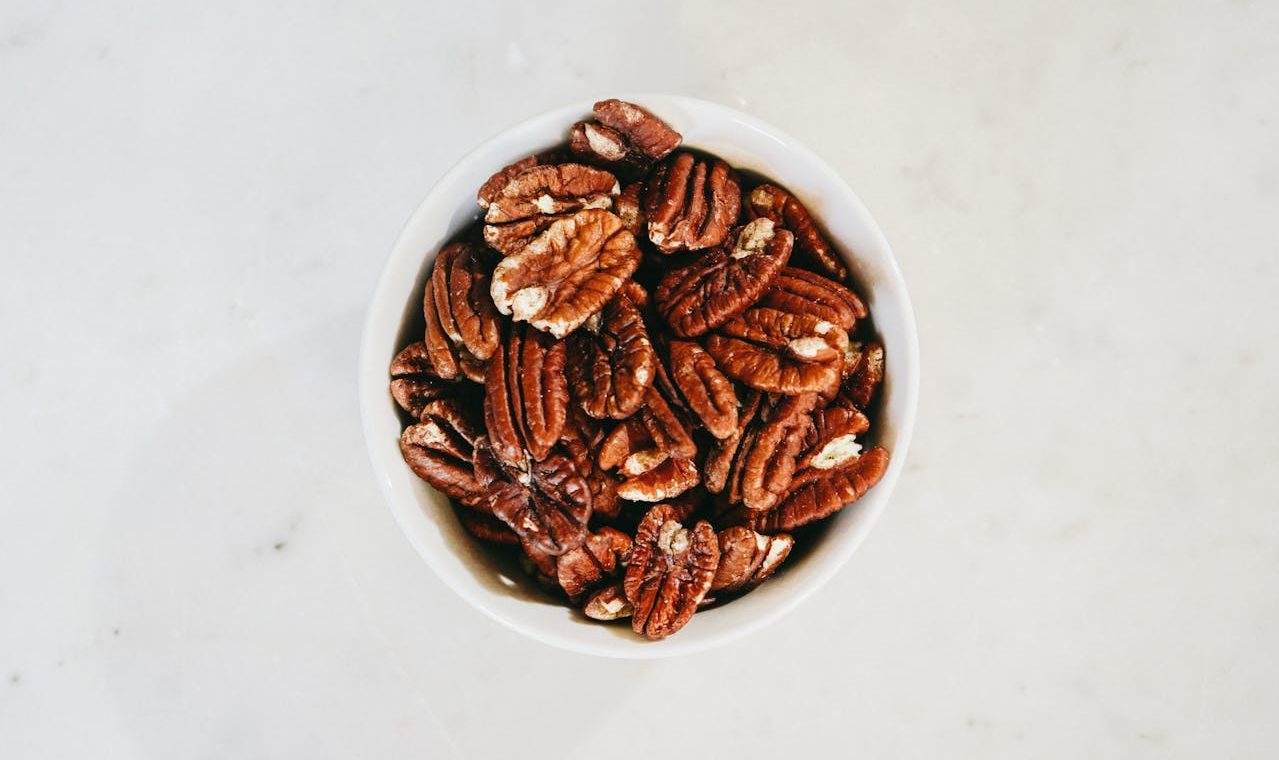
- 70-75% fat (avocados, nuts, oils, fatty fish, and meats)
- 20-25% protein (lean meats, eggs, dairy, and poultry)
- 5-10% carbohydrates (mainly from non-starchy vegetables and small amounts of berries)
For people taking insulin, the drastic reduction in carbohydrates means they must closely monitor their blood sugar levels and insulin requirements to avoid hypoglycemia (low blood sugar).
How the Keto Diet Affects Insulin Needs
When carbohydrate intake decreases, insulin needs also decrease. Many people find that following a keto diet helps stabilize blood sugar levels, reducing the need for insulin therapy. However, this transition can be tricky, especially for those using Humalog and keto diet together.
Here’s how keto affects insulin requirements:
1. Lower Carbohydrate Intake Means Less Insulin Needed
Fewer carbs lead to fewer blood sugar spikes, reducing the need for bolus (mealtime) insulin doses. Many keto followers require significantly lower Humalog doses than they did on a standard diet.
2. Increased Risk of Hypoglycemia
Because keto naturally lowers blood sugar, insulin-dependent individuals must carefully adjust their Humalog dosage. Too much insulin without enough glucose can lead to dangerously low blood sugar levels.
3. Keto May Improve Insulin Sensitivity
Many people with type 2 diabetes experience improved insulin sensitivity on keto, leading to lower overall insulin needs. For type 1 diabetes patients, better stability in blood sugar levels can also result in smoother insulin management.
4. Higher Fat Intake Slows Digestion
Since keto is high in fat, digestion may slow down, which can delay blood sugar increases. This means Humalog may need to be taken slightly later than usual to align with the delayed glucose release.
Adjusting Humalog Doses on Keto
If you are considering the Humalog and keto diet combination, work closely with your doctor to adjust your insulin regimen. Here are some general guidelines:
1. Reduce Your Mealtime Insulin
With fewer carbohydrates, your body requires less Humalog at meals. Start by decreasing your dose gradually while monitoring blood sugar levels closely.
2. Monitor Blood Sugar More Frequently
Keto can change how your body responds to insulin. Check your blood sugar levels more often, especially when first starting the diet.
3. Adjust for Protein Intake
Unlike carbohydrates, protein can still cause blood sugar to rise, though at a slower rate. Some keto dieters need small insulin doses for higher-protein meals.
4. Be Prepared for Hypoglycemia
Carry glucose tablets or a small carbohydrate snack in case of low blood sugar episodes. Since keto lowers blood sugar naturally, insulin users should be cautious about overdosing.
5. Consider Using a Continuous Glucose Monitor (CGM)
A CGM can help track blood sugar patterns throughout the day and night, making insulin adjustments easier.
Potential Risks of Combining Humalog with Keto
While many people successfully use Humalog and keto diet together, there are some risks to consider:
1. Severe Hypoglycemia
If insulin doses are not adjusted properly, blood sugar can drop dangerously low, leading to confusion, dizziness, seizures, or even unconsciousness.
2. Ketoacidosis Risk for Type 1 Diabetics
People with type 1 diabetes must be cautious when following keto. Since ketosis and diabetic ketoacidosis (DKA) share similarities, monitoring ketone levels is crucial.
3. Electrolyte Imbalances
Keto can cause fluid loss and imbalances in sodium, potassium, and magnesium, which may affect insulin function. Drinking enough fluids and replenishing electrolytes is essential.
Benefits of Using Humalog on Keto
For those who successfully balance Humalog and keto diet, there are several benefits:
1. Better Blood Sugar Control
With fewer carbohydrate fluctuations, blood sugar stability improves, reducing highs and lows throughout the day.
2. Lower Insulin Requirements
Many keto dieters report using less insulin while maintaining healthy blood sugar levels.
3. Weight Loss and Improved Metabolic Health
Since keto promotes fat burning, people with diabetes may experience weight loss and improved insulin sensitivity.
4. Reduced Inflammation
The keto diet’s anti-inflammatory properties may help reduce complications associated with diabetes, such as nerve pain and cardiovascular issues.
Tips for Safely Combining Humalog and Keto
If you want to try Humalog and keto diet, follow these tips to stay safe:
- Work with Your Doctor: Never adjust insulin doses without professional guidance.
- Start Slow: Reduce carbs gradually to allow your body to adapt.
- Stay Hydrated: Drink plenty of water to prevent dehydration and electrolyte imbalances.
- Track Blood Sugar Regularly: Monitor how keto affects your insulin needs.
- Have Emergency Glucose Ready: Be prepared for unexpected drops in blood sugar.
- Consider Carb Cycling if Needed: Some people with diabetes benefit from occasional higher-carb days to prevent excessive blood sugar drops.
Conclusion
Using Humalog and keto diet together requires careful planning, but it can lead to improved blood sugar control, weight loss, and reduced insulin needs. Adjusting Humalog doses, monitoring blood sugar levels, and working with a healthcare provider are crucial for success.
With the right approach, people with diabetes can safely follow keto while effectively managing their insulin therapy, achieving better health outcomes and an improved quality of life.