
The Role of Protein in Weight Management: A Key to Sustainable Health
Maintaining a healthy weight is a common goal for many individuals, whether they are looking to lose excess fat, build muscle, or simply improve their overall well-being. While numerous factors contribute to weight management, one of the most important yet often overlooked elements is protein intake. The role of protein in weight management is significant because it influences metabolism, appetite control, muscle preservation, and fat loss.
In this article, we will explore the science behind the role of protein in weight management, its impact on metabolism, the best sources of protein, and how to effectively incorporate it into your diet for optimal health.
Understanding Protein: What It Is and Why It Matters
Protein is one of the three macronutrients essential for life, along with carbohydrates and fats. It is made up of amino acids, which serve as the building blocks for muscles, tissues, enzymes, and hormones. Without adequate protein intake, the body cannot repair cells, support muscle growth, or maintain essential functions.
Unlike carbohydrates and fats, protein does not serve as the body’s primary energy source. However, it plays a crucial role in metabolic function, immune response, and weight regulation. Understanding the role of protein in weight management begins with knowing how protein affects the body’s physiological processes.
How Protein Helps with Weight Loss
When trying to lose weight, many people focus on cutting calories or eliminating certain food groups. However, increasing protein intake can be just as important as reducing calorie consumption. Protein has several key benefits that make it a powerful tool for weight loss and long-term weight maintenance.
1. Protein Increases Satiety and Reduces Appetite
One of the biggest challenges in weight management is controlling hunger and avoiding overeating. The role of protein in weight management is particularly important because protein has a high satiety factor, meaning it helps you feel full longer.
When you consume protein-rich foods, they trigger the release of hormones such as peptide YY (PYY) and cholecystokinin (CCK), which promote a feeling of fullness. At the same time, protein reduces levels of ghrelin, the “hunger hormone.” As a result, people who eat a high-protein diet tend to consume fewer calories throughout the day without feeling deprived.
Studies have shown that increasing protein intake from 15% to 30% of daily calories can lead to a significant reduction in overall calorie intake. This makes protein an effective tool for those who struggle with food cravings and portion control.
2. Protein Boosts Metabolism and Increases Calorie Burning
Metabolism refers to the process by which the body converts food into energy. A faster metabolism means the body burns more calories at rest and during physical activity. One of the lesser-known aspects of the role of protein in weight management is its ability to enhance the metabolic rate.
Protein has a higher thermic effect of food (TEF) compared to carbohydrates and fats. The thermic effect refers to the number of calories burned during digestion. Protein’s TEF is around 20-30%, meaning that for every 100 calories of protein consumed, 20-30 calories are burned through digestion and metabolism. In contrast, carbohydrates have a TEF of 5-10%, and fats have a TEF of only 0-3%.
This means that eating a high-protein diet helps the body burn more calories naturally, even without exercise.
3. Protein Helps Preserve Lean Muscle Mass
When people lose weight, they often lose a combination of fat, muscle, and water. However, the goal should always be to lose fat while preserving muscle mass. This is because muscle tissue plays a key role in metabolism. More muscle means a higher resting metabolic rate, which allows the body to burn more calories throughout the day.
If protein intake is too low during weight loss, the body may break down muscle for energy, leading to decreased muscle mass and a slower metabolism. Consuming adequate protein, combined with resistance training, helps maintain muscle and ensures that most of the weight lost comes from fat rather than muscle.
4. Protein Helps Prevent Weight Regain
Losing weight is only half the battle—keeping it off is often more challenging. Many people regain the weight they lost because they return to old eating habits or their metabolism slows down. The role of protein in weight management extends beyond weight loss; it is also crucial for maintaining a healthy weight long-term.
Research has shown that individuals who continue to consume a high-protein diet after losing weight are more successful in maintaining their weight loss. The combination of increased satiety, a faster metabolism, and preserved muscle mass makes protein a vital component of a sustainable weight management plan.
How Much Protein Do You Need for Weight Management?
The amount of protein a person needs varies based on their age, weight, activity level, and specific health goals. Below are general recommendations:
- General Health: 0.8 grams of protein per kilogram of body weight (0.36 grams per pound)
- Weight Loss & Fat Loss: 1.2–2.2 grams per kilogram (0.55–1.0 grams per pound)
- Muscle Building: 1.6–2.4 grams per kilogram (0.7–1.1 grams per pound)
- Athletes & Highly Active Individuals: 1.4–2.2 grams per kilogram (0.64–1.0 grams per pound)
For a person weighing 150 pounds (68 kg), this would translate to:
- General health: ~55 grams of protein per day
- Weight loss: ~82-150 grams per day
- Muscle gain: ~109-164 grams per day
Best High-Protein Foods for Weight Management
Animal-Based Protein Sources
- Chicken breast – A lean, high-protein option with minimal fat
- Fish (salmon, tuna, cod) – Provides high-quality protein and omega-3 fatty acids
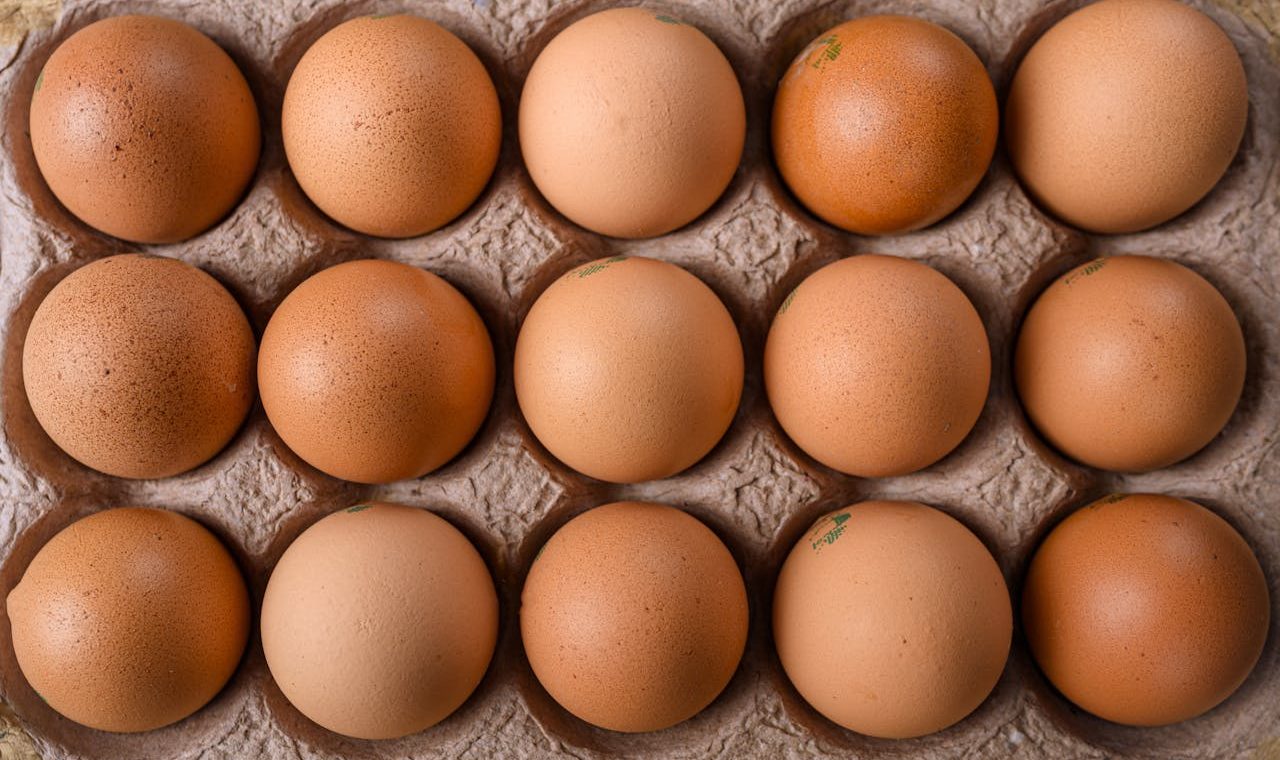
- Eggs – A complete protein source with essential vitamins and minerals
- Turkey – Low in fat and rich in protein
- Greek yogurt – High in protein and beneficial for gut health
- Cottage cheese – A great source of casein protein, which digests slowly
Plant-Based Protein Sources
- Lentils – Packed with protein and fiber for long-lasting fullness
- Quinoa – A complete plant protein with all essential amino acids
- Chickpeas – A versatile, high-protein legume
- Tofu and tempeh – Excellent soy-based proteins
- Almonds and walnuts – Contain both protein and healthy fats
Common Myths About Protein and Weight Management
Myth 1: High-Protein Diets Are Bad for Your Kidneys
For healthy individuals, high-protein diets do not cause kidney damage. However, those with kidney disease should consult a doctor before increasing protein intake.
Myth 2: Protein Will Make You Gain Weight
Protein itself does not cause weight gain. Overeating any macronutrient can lead to weight gain, but protein is less likely to be stored as fat.
Myth 3: You Can Get Enough Protein Without Planning Your Diet
While many foods contain protein, getting the right amount for weight management often requires conscious meal planning.
Final Thoughts on The Role of Protein in Weight Management
The role of protein in weight management is undeniable. From appetite control and metabolism boosting to muscle preservation and long-term fat loss, protein plays a crucial role in maintaining a healthy weight.
By incorporating high-protein foods into your daily diet and balancing intake throughout the day, you can experience improved satiety, higher calorie burning, and sustainable weight management. Whether your goal is weight loss, muscle building, or overall health, protein should be a priority in your nutrition plan.
If you are looking to improve your diet, consider adding more high-quality protein sources while maintaining a balanced approach. With the right strategy, you can harness the role of protein in weight management for long-term success.