
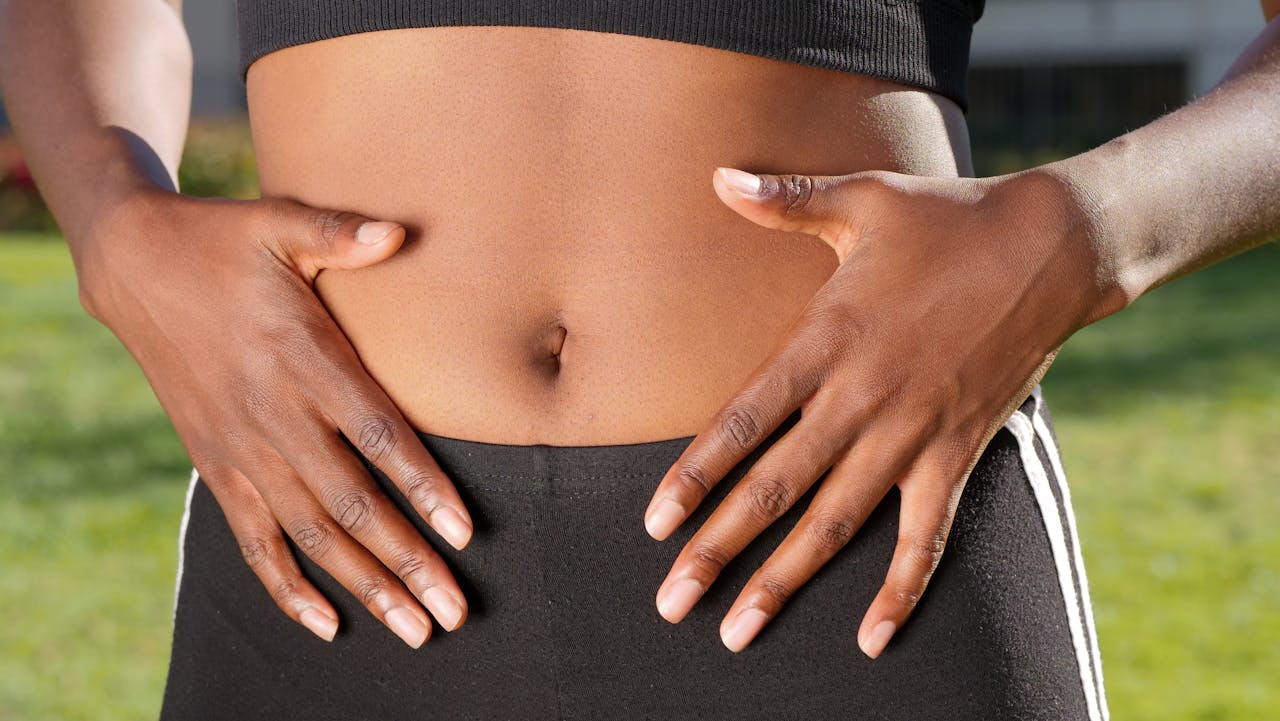
The Powerful Link Between Gut Health and Weight Loss
The human gut is more than just a digestive system. It’s a powerhouse that affects your overall health, energy levels, immune system, and even your weight. In recent years, researchers have uncovered a strong connection between gut health and weight loss, making this topic a must-know for anyone looking to shed pounds and feel better.
If you’ve been struggling with stubborn fat, low energy, or food cravings, your gut may be the missing piece of the puzzle.
What Is Gut Health?
Gut health refers to the balance and function of bacteria, fungi, and other microbes living in your digestive tract. These microorganisms make up your gut microbiome. While some microbes are harmful, many are beneficial. They help digest food, produce vitamins, and support your immune system.
When your gut is healthy, these microbes work in harmony. But when your gut is unbalanced, it can lead to problems like inflammation, weight gain, mood swings, and more.
Why Is Gut Health Important for Americans?
The typical American diet is high in sugar, processed foods, and unhealthy fats. These foods harm your gut microbiome. They reduce healthy bacteria and encourage the growth of harmful ones. Over time, this imbalance may cause issues like bloating, fatigue, and weight gain.
Improving gut health and weight loss often go hand in hand. When your gut is healthy, your metabolism improves. You also have fewer cravings and better energy. This makes it easier to stick to healthy habits.
The Science Behind Gut Health and Weight Loss
Multiple studies have shown that your gut microbiome can affect your weight. People who are overweight or obese often have different gut bacteria than those who are lean. Here’s how your gut can affect your weight:
1. Gut Bacteria Influence Hunger Hormones
Some gut bacteria affect how full or hungry you feel. They can increase levels of ghrelin, the “hunger hormone,” or reduce levels of leptin, which makes you feel full. Balancing your gut bacteria helps control appetite.
2. Digestive Efficiency
Certain gut bacteria help you absorb more calories from food. That means two people eating the same meal might absorb different amounts of energy depending on their gut health.
3. Inflammation and Insulin Resistance
An unhealthy gut can lead to inflammation. This inflammation affects how your body uses insulin, leading to fat storage. Reducing inflammation through gut healing can help reverse this process.
Signs Your Gut Health Might Be Hurting Your Weight Loss
Not sure if your gut is out of balance? Here are common signs that your gut health may be affecting your weight:
- Constant bloating or gas
- Frequent cravings for sugar or carbs
- Trouble losing weight despite dieting
- Skin issues like acne or rashes
- Feeling tired even after enough sleep
- Brain fog or mood swings
- Constipation or diarrhea
If you’re experiencing any of these, it’s worth focusing on improving gut health and weight loss strategies together.
Top Foods That Support Gut Health and Weight Loss
What you eat can either feed harmful bacteria or promote healthy ones. Here are the best foods to improve both gut health and weight loss:
1. Prebiotic Foods
Prebiotics are fibers that feed good gut bacteria. Top sources include:
- Garlic
- Onions
- Bananas
- Asparagus
- Oats
2. Probiotic Foods
Probiotics are live bacteria that add to your gut health. Try these:
- Yogurt (with live cultures)
- Kefir
- Sauerkraut
- Kimchi
- Miso
3. High-Fiber Vegetables
Fiber keeps your digestive system moving and supports healthy bacteria.
- Broccoli
- Carrots
- Spinach
- Sweet potatoes
- Brussels sprouts
4. Healthy Fats
Fats like omega-3s help reduce inflammation in the gut.
- Salmon
- Flaxseeds
- Chia seeds
- Walnuts
- Avocados
Foods to Avoid for Better Gut Health and Weight Loss
Just as some foods help your gut, others can hurt it. Avoiding these can improve your results:
- Artificial sweeteners: These may reduce healthy bacteria and raise blood sugar.
- Processed foods: Full of additives that disrupt your gut.
- Refined carbs: White bread, pasta, and pastries feed harmful bacteria.
- Fried foods: These increase gut inflammation.
- Too much red meat: Can upset gut balance when eaten in excess.
Lifestyle Tips That Improve Gut Health and Help You Lose Weight
Improving gut health and weight loss is not just about food. Your lifestyle matters too. Here are key habits that help:
1. Manage Stress
Chronic stress affects your gut-brain axis. This can lead to digestion problems and weight gain. Try yoga, deep breathing, or journaling.
2. Get Enough Sleep
Poor sleep disrupts gut bacteria and appetite hormones. Aim for 7–9 hours each night.
3. Stay Active
Regular exercise improves digestion and supports healthy gut bacteria. Even a 30-minute walk helps.
4. Drink Water
Hydration helps keep your gut moving and flushes toxins out of your body.
How Long Does It Take to See Results?
Everyone’s gut is different. Some people feel better in a few days, while others need weeks. If you’re working on gut health and weight loss, give it at least 4 to 8 weeks to see clear changes.
Stick with whole foods, cut processed junk, and be consistent. It’s not a quick fix, but the results are long-lasting.
Should You Take Probiotic Supplements?
Many Americans now take probiotics. They can help if you’ve taken antibiotics, have IBS, or are working to balance your gut. Look for supplements with:
- Multiple strains
- At least 10 billion CFUs
- Delayed-release capsules
But remember, supplements are not a cure-all. They work best alongside a healthy diet.
The Gut-Brain Connection: Why Your Mood Affects Your Weight
Your gut and brain are in constant communication. That’s why your stomach reacts to emotions like anxiety. This gut-brain axis also affects your hunger and digestion.
An unhealthy gut may raise stress and depression, which leads to emotional eating and weight gain. Taking care of gut health and weight loss can also improve your mental well-being.
Can Poor Gut Health Cause Weight Gain?
Yes. An unhealthy gut can lead to slow metabolism, increased fat storage, and cravings. It can also cause inflammation, which makes weight loss harder.
Fixing gut health helps your body burn fat more efficiently. You’ll also feel more in control of your eating habits.
A Day of Eating for Gut Health and Weight Loss
Here’s an example of a gut-friendly day:
Breakfast:
Greek yogurt with berries and chia seeds
Snack:
Banana and a handful of walnuts
Lunch:
Grilled chicken salad with olive oil and vinegar
Snack:
Carrot sticks with hummus
Dinner:
Salmon, sweet potato, and steamed broccoli
Drink:
Plenty of water and maybe a cup of green tea
Eating like this supports both gut health and weight loss. It’s simple, tasty, and satisfying.
Common Myths About Gut Health and Weight Loss
Let’s clear up a few myths:
- Myth: You need a cleanse to fix your gut.
Truth: Most cleanses are unnecessary and can harm gut bacteria. - Myth: All bacteria are bad.
Truth: Many bacteria are essential for health and weight control. - Myth: Skinny people have perfect gut health.
Truth: Gut issues can affect anyone, no matter their size.
Final Thoughts
If you’ve tried every diet but nothing sticks, your gut might be the key you’ve missed. A healthy gut can transform your energy, mood, digestion, and ability to lose weight.
When you prioritize gut health and weight loss, you’re setting yourself up for long-term success. It’s not just about dropping pounds. It’s about creating a body that works for you—not against you.
Don’t chase fad diets. Start by feeding your gut what it needs. You’ll feel the difference from the inside out.