
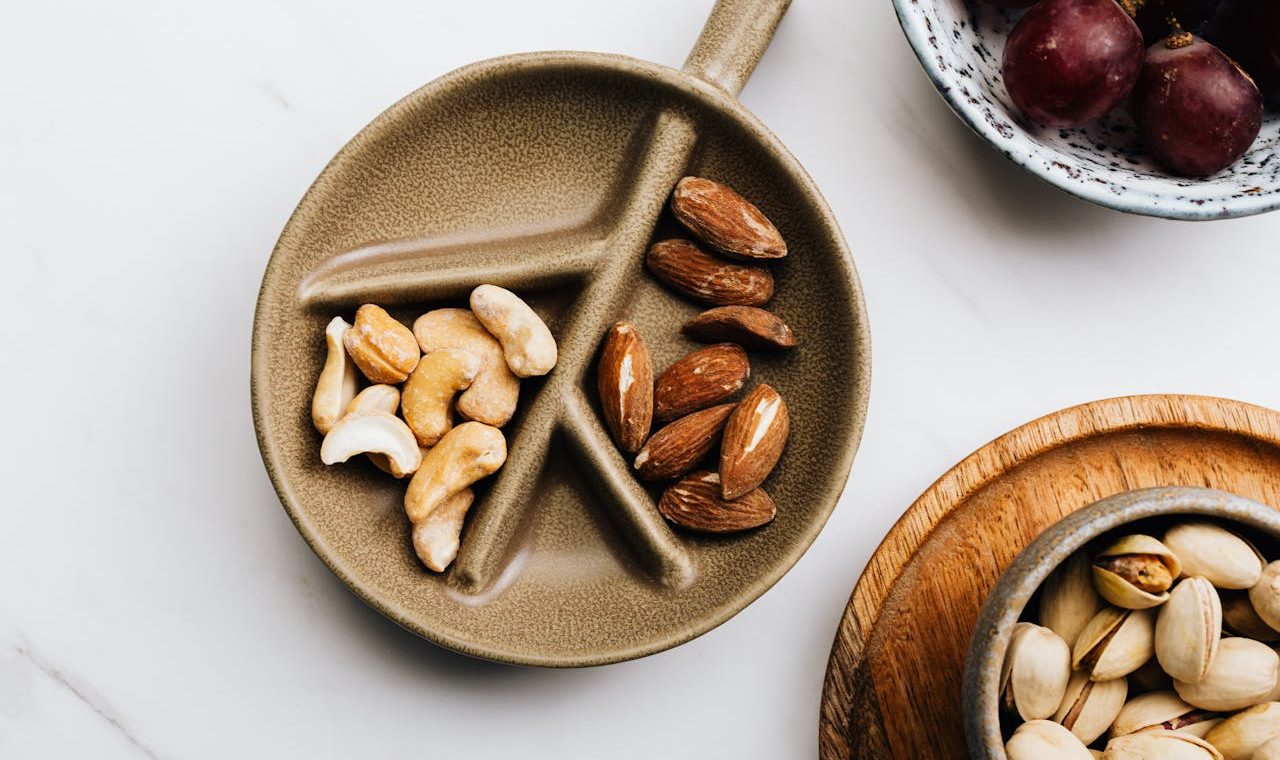
The Smart Guide to Healthy Fats for Blood Thinner Users
Living on blood thinners means making smart choices in your daily diet. Many people worry about what they can and cannot eat. One common area of confusion is fat. But the truth is, not all fats are bad. In fact, healthy fats for blood thinner users can be an important part of a balanced diet.
This guide will help you understand which fats are good, which ones to avoid, and how to make smart choices at every meal. If you’re taking blood thinners like warfarin, Xarelto, or Eliquis, this article is for you.
Why Fat Still Matters
Fat often gets a bad name. But our bodies need fat for energy, brain health, and even vitamin absorption. The key is eating the right type of fat in the right amounts.
For those on blood thinners, certain fats can even support heart health. That’s why it’s important to learn more about healthy fats for blood thinner users and how to include them wisely.
Understanding Blood Thinners
Blood thinners are medications that prevent blood clots. Some common blood thinners include:
- Warfarin (Coumadin)
- Rivaroxaban (Xarelto)
- Apixaban (Eliquis)
- Dabigatran (Pradaxa)
These drugs are prescribed to people with conditions like atrial fibrillation, deep vein thrombosis (DVT), or a history of stroke. If you take blood thinners, your diet can affect how your medication works. This is especially true with warfarin, which interacts with vitamin K.
While fat doesn’t usually interfere directly with blood thinners, it can still impact your health and how your body responds to treatment.
The Best Healthy Fats for Blood Thinner Users
Not all fats are created equal. Some fats improve heart health, reduce inflammation, and support overall wellness. Here are the best healthy fats for blood thinner users.
1. Omega-3 Fatty Acids
Omega-3 fats are great for your heart. They may also help lower your risk of dangerous blood clots. These fats are found in:
- Fatty fish (salmon, mackerel, sardines)
- Flaxseeds
- Walnuts
- Chia seeds
- Fish oil supplements (ask your doctor first)
For blood thinner users, omega-3s offer a double benefit—supporting the heart and potentially reducing clotting risk. But always talk to your doctor before taking omega-3 supplements. They may increase the effects of your medication.
2. Monounsaturated Fats
These fats are known for lowering “bad” cholesterol while keeping “good” cholesterol levels high. Good sources include:
- Olive oil
- Avocados
- Almonds
- Peanuts
- Cashews
Including monounsaturated fats is a smart choice when thinking about healthy fats for blood thinner users. They add flavor and nutrition without harmful side effects.
3. Polyunsaturated Fats
These fats can also help reduce heart disease risk. They’re found in:
- Sunflower oil
- Soybean oil
- Corn oil
- Pumpkin seeds
- Tofu
While healthy in moderation, some oils are also high in omega-6 fatty acids. Try to balance them with omega-3-rich foods to reduce inflammation.
Fats to Limit or Avoid
Not all fats belong in a blood thinner-friendly diet. Some can raise cholesterol, increase inflammation, or lead to weight gain. Here are the types of fats to limit:
1. Saturated Fats
These fats can raise your risk of heart disease. Common sources include:
- Red meat
- Butter
- Cheese
- Ice cream
- Coconut oil
- Palm oil
You don’t have to eliminate them, but limit them. Try replacing them with healthy fats for blood thinner users like avocado or olive oil.
2. Trans Fats
These are the worst fats for your health. They raise bad cholesterol and lower good cholesterol. You’ll find trans fats in:
- Packaged snacks
- Margarine
- Fried foods
- Baked goods made with hydrogenated oils
Always check labels. If you see “partially hydrogenated oil,” that’s a sign to put it back on the shelf.
How Fats Affect Your Blood Thinner Medication
The good news is that fats don’t directly interfere with most blood thinners, especially newer ones like Xarelto or Eliquis. However, for people taking warfarin, fat-rich meals could indirectly affect vitamin K levels, especially when paired with leafy greens.
This is why managing fat intake matters—not because of direct drug interaction, but because your overall diet plays a role in your medication’s success.
Adding more healthy fats for blood thinner users can also help reduce inflammation and support healthy weight levels. Both are key for anyone on long-term medication.
Tips for Adding Healthy Fats to Your Diet
Adding more fat doesn’t mean eating bacon all day. Instead, use smart swaps. Here are some easy tips to get more healthy fats for blood thinner users without going overboard.
- Use olive oil instead of butter for cooking
- Add avocado to sandwiches and salads
- Snack on nuts instead of chips or cookies
- Toss seeds like chia or flax into yogurt or smoothies
- Grill salmon or tuna twice a week for dinner
Even small changes can make a big impact.
Healthy Meal Ideas with Smart Fats
If you need meal inspiration, try these ideas that focus on healthy fats for blood thinner users.
Breakfast
- Greek yogurt with flaxseeds, walnuts, and berries
- Scrambled eggs with avocado toast on whole grain bread
- Oatmeal with almond butter and banana slices
Lunch
- Grilled chicken salad with olive oil dressing and sliced almonds
- Tuna salad with avocado on a whole wheat wrap
- Lentil soup with whole grain crackers and hummus
Dinner
- Baked salmon with roasted veggies and quinoa
- Stir-fried tofu with sesame oil and mixed vegetables
- Turkey burger on a lettuce wrap with guacamole and a side of sweet potatoes
Snacks
- Apple slices with peanut butter
- Trail mix with almonds and pumpkin seeds
- Veggie sticks with avocado dip
Every meal is a chance to include healthy fats for blood thinner users in a safe and balanced way.
Shopping Tips
Grocery shopping is where it all begins. Here are some tips to stay on track:
- Read labels carefully
- Look for oils labeled “cold-pressed” or “extra virgin”
- Buy raw, unsalted nuts and seeds
- Choose lean cuts of meat
- Skip items with “trans fat” or “hydrogenated oil”
When in doubt, choose whole foods over processed ones.
Do You Need Supplements?
In some cases, your doctor might recommend omega-3 supplements or other fatty acid products. But don’t start these on your own.
Omega-3 supplements can thin your blood slightly. When combined with prescription blood thinners, they may increase your bleeding risk. Always ask your doctor before adding supplements.
Still, when taken with care, these can support heart health and boost your levels of healthy fats for blood thinner users.
Lifestyle and Diet Go Hand in Hand
Diet isn’t the only part of staying healthy on blood thinners. Regular movement, sleep, and stress management all work together to support your body.
Here are some lifestyle tips:
- Walk or move at least 30 minutes a day
- Get 7 to 9 hours of sleep
- Reduce alcohol intake (ask your doctor what’s safe)
- Avoid smoking or vaping
- Stay hydrated with water or herbal teas
When your diet includes healthy fats for blood thinner users, and your lifestyle supports overall well-being, your risk of complications can go down.
Monitoring Your Progress
If you’re on warfarin, your doctor will likely check your INR (International Normalized Ratio) regularly. This test measures how well your blood is clotting.
Make sure to tell your doctor if you’ve made major changes to your diet, especially if you’ve added or removed foods high in fat or vitamin K.
If you’re on newer medications like Eliquis or Xarelto, regular blood testing isn’t usually needed. But it’s still smart to keep track of how you feel.
Final Thoughts
The bottom line is simple—fats are not your enemy. In fact, healthy fats for blood thinner users are an important part of a heart-friendly, nutritious lifestyle.
The best fats come from:
- Fish
- Nuts and seeds
- Avocados
- Olive oil and other plant-based oils
By making small, steady changes, you can enjoy better energy, more stable health, and a stronger heart—all while staying safe on your medication.
As always, talk to your doctor or a registered dietitian if you have specific concerns. They can help you build a meal plan that works for your body and your medication.