
Xarelto Interactions with Food: What Every Patient Should Know
When it comes to prescription medications, food can play a powerful role in how your body reacts. For people taking blood thinners like Xarelto, understanding Xarelto interactions with food is especially important. What you eat, when you eat, and how you eat can all affect the way your body processes this drug.
Xarelto is commonly prescribed in the United States to prevent blood clots and reduce the risk of stroke. Millions of Americans take it daily. But even with its popularity, many patients still have questions about what foods to avoid or include in their diets.
If you or a loved one is taking this medication, it’s vital to learn how Xarelto interactions with food can affect your health and treatment success.
What Is Xarelto?
Xarelto is the brand name for rivaroxaban. It’s an anticoagulant or “blood thinner” that helps prevent dangerous clots from forming in the blood. Doctors in the U.S. often prescribe it to treat conditions like:
- Atrial fibrillation (AFib)
- Deep vein thrombosis (DVT)
- Pulmonary embolism (PE)
- Post-surgical clot prevention
Unlike older blood thinners like warfarin, Xarelto does not require frequent blood testing. This makes it more convenient for many patients. However, Xarelto interactions with food can still influence how well the drug works.
Does Xarelto Require Food for Proper Absorption?
Yes, but only in certain doses. One of the most critical aspects of Xarelto interactions with food is how it is absorbed in the body.
If you are prescribed 15 mg or 20 mg doses, you should always take Xarelto with food. These higher doses require food to ensure proper absorption. Taking them without a meal may reduce how much of the drug your body absorbs, which could increase your risk of blood clots.
On the other hand, lower doses such as 2.5 mg or 10 mg may be taken with or without food. However, it’s always best to follow your doctor’s instructions, as different health conditions may require different routines.
Why Food Impacts Absorption
Some medications dissolve in water, while others need fat or other nutrients to be absorbed properly. Xarelto falls into the second category. The presence of food, especially dietary fat, helps the medication move through the digestive tract and into the bloodstream more efficiently.
So, if you want to reduce the risk of treatment failure, one of the best things you can do is learn about Xarelto interactions with food and make sure you are taking your medicine correctly.
Should You Avoid Certain Foods with Xarelto?
Unlike warfarin, Xarelto does not require strict dietary restrictions. With warfarin, patients need to avoid foods high in vitamin K, like leafy greens, because they interfere with the medication.
Fortunately, Xarelto doesn’t interact with vitamin K. That means you don’t have to cut out healthy vegetables from your diet.
That said, Xarelto interactions with food still exist, even if they’re not as strict. Certain foods and beverages may affect how your body handles the medication. Let’s break them down.
Alcohol and Xarelto: A Risky Combination
Drinking alcohol while on Xarelto can increase your risk of bleeding. Both alcohol and Xarelto thin your blood. When used together, they may amplify each other’s effects.
If you’re someone who enjoys a daily glass of wine or an occasional beer, speak with your doctor. Light alcohol use may be safe for some, but not all. It’s essential to be cautious when considering Xarelto interactions with food that includes alcohol.
In general, it’s safest to limit or avoid alcohol altogether while taking blood thinners.
Grapefruit and Its Potential Impact
Grapefruit and grapefruit juice are known for interacting with many medications. They interfere with enzymes in the liver that help break down drugs, including some blood thinners.
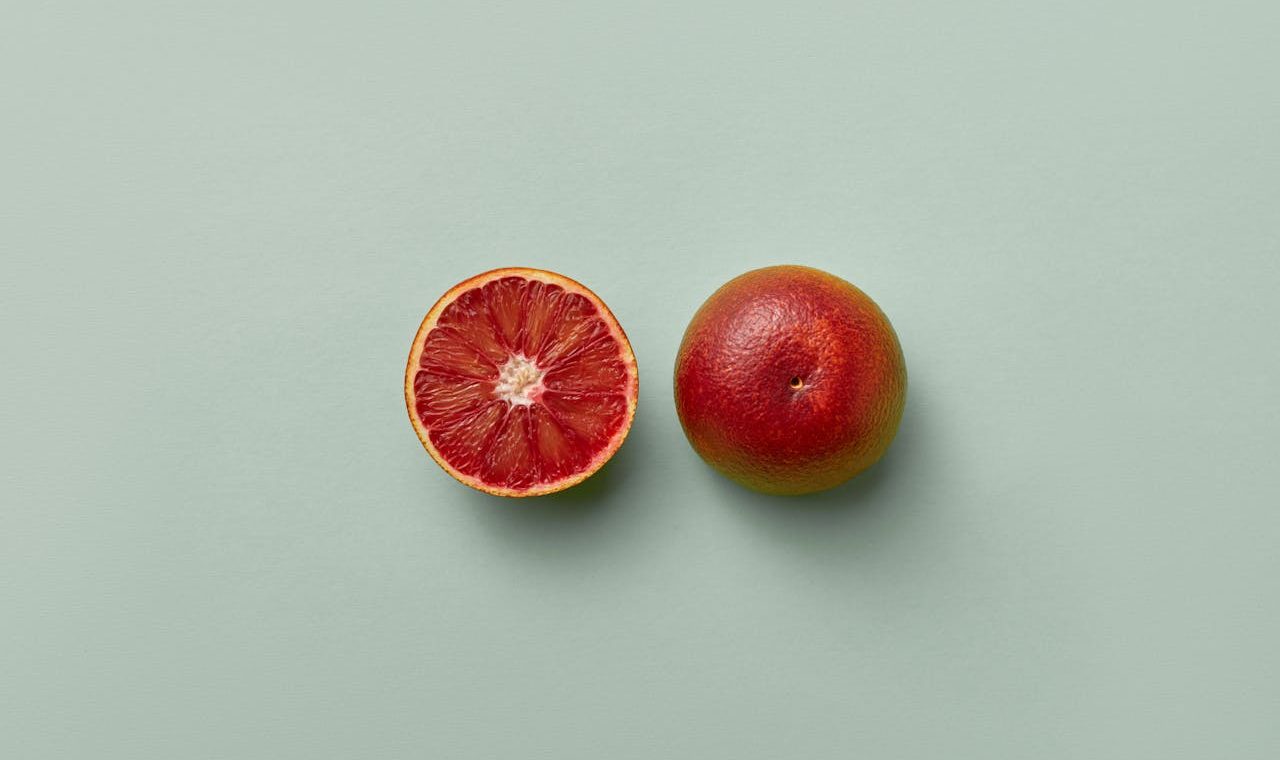
Although Xarelto is not widely reported to have serious interactions with grapefruit, many healthcare providers still urge caution. Since research is ongoing, it’s best to play it safe. If you’re worried about Xarelto interactions with food, especially fruits like grapefruit, talk to your doctor or pharmacist before adding them to your diet.
Herbal Supplements and Natural Foods
Natural doesn’t always mean safe. Many herbs, teas, and supplements can interact with medications. This includes:
- Garlic
- Ginseng
- Ginkgo biloba
- St. John’s wort
- Turmeric
- Green tea
These items can thin the blood or affect how your liver processes medication. If taken along with Xarelto, they may increase your risk of internal bleeding.
If you’re exploring Xarelto interactions with food that includes herbs or natural remedies, always consult your healthcare provider. Never assume that supplements are harmless just because they are plant-based.
High-Fat Meals: Help or Harm?
Since Xarelto requires food for absorption, some people wonder if a high-fat meal is better. In general, consuming moderate healthy fats—like avocado, nuts, and olive oil—can support better absorption of the drug.
But overeating high-fat, processed foods can negatively affect your overall health. Obesity and poor heart health can increase your risk of blood clots and other complications.
The best approach is balance. When considering Xarelto interactions with food, aim for nutritious meals that include healthy fats, lean protein, and plenty of fiber.
Timing Matters: When Should You Take Xarelto with Meals?
The timing of your meals can make a difference. To maximize absorption, you should take your prescribed dose at the same time each day with your main meal. That might be lunch or dinner, depending on your schedule.
Taking your dose with food at a consistent time every day creates a routine. This improves both absorption and treatment results.
To manage Xarelto interactions with food, avoid taking your dose on an empty stomach if it’s 15 mg or 20 mg. If your doctor says it’s okay to take a lower dose without food, make sure you still follow instructions exactly.
What Happens If You Skip a Meal?
If you forget to eat and take Xarelto on an empty stomach, especially at higher doses, your body may not absorb the full amount. This can make the medication less effective, putting you at greater risk for clots.
If you realize you’ve taken your dose without food, contact your healthcare provider. They may advise you to take another dose with food or wait until your next scheduled time.
Being aware of Xarelto interactions with food can help prevent these kinds of mishaps. Set phone reminders or meal plans to stay consistent.
Can You Take Xarelto with Snacks?
If you’re not eating a full meal, can a snack work? It depends on what type of snack it is. Ideally, the snack should contain some fat or calories—like cheese, yogurt, or a nut butter sandwich.
Light snacks like plain fruit or crackers may not provide enough substance for proper drug absorption. If you’re unsure, opt for a larger snack or wait until your next full meal to take your medication.
This approach ensures that you are safely managing Xarelto interactions with food without missing doses or putting your health at risk.
Dietary Tips for Better Treatment Outcomes
If you’re taking Xarelto, try to follow a heart-healthy diet. This can support both your medication and your long-term health. Focus on:
- Fresh vegetables and fruits
- Whole grains
- Lean proteins like fish and chicken
- Healthy fats from nuts and seeds
- Limited sugar, salt, and processed foods
These choices support your cardiovascular system and help your body recover faster from injuries or surgeries. A healthy diet also makes it easier to maintain a routine, especially when considering Xarelto interactions with food.
Communicate With Your Healthcare Team
Your doctor, pharmacist, and dietitian can all offer guidance on how to safely take Xarelto. Make sure to discuss:
- Any new foods or diets you’re starting
- Supplements or herbal products you’re considering
- How and when you’re taking your medication
They can help you create a plan that fits your lifestyle and reduces the risk of food-related complications.
Understanding Xarelto interactions with food doesn’t mean you have to overhaul your diet completely. It just means being informed and intentional.
Food and Medication Should Work Together
Food can be your friend or foe when it comes to taking prescription medication. Fortunately, Xarelto offers more flexibility than older blood thinners. But that doesn’t mean you can ignore Xarelto interactions with food.
Whether it’s remembering to take your dose with a meal or avoiding certain supplements, the choices you make can affect your safety and success. Every bite you take can help your medicine work better—or worse.
Take the time to understand what foods help your treatment and which ones might cause harm. With the right habits, you’ll stay healthier and safer while using Xarelto.