
Opzelura Administration Guidelines: A Complete Guide for Safe and Effective Use
Skin conditions such as atopic dermatitis and nonsegmental vitiligo affect millions of Americans. They often require long-term, careful treatment. Recently, Opzelura (ruxolitinib) has emerged as a promising topical option for managing these conditions. To achieve the best results and avoid risks, it is essential to understand the Opzelura administration guidelines. This guide provides comprehensive information to help patients and caregivers in the United States safely and effectively use Opzelura.
What Is Opzelura?
Opzelura is a prescription cream that contains ruxolitinib, a Janus kinase (JAK) inhibitor. It works by interrupting the inflammatory signaling pathways involved in skin disorders. The FDA has approved Opzelura for the following uses:
- Treating mild to moderate atopic dermatitis in adults and children 12 years and older.
- Managing nonsegmental vitiligo in the same age group.
The cream offers a non-steroidal treatment alternative, making it appealing to patients with long-term skin conditions. Understanding the Opzelura administration guidelines helps users gain the full benefit of this advanced therapy.
How Opzelura Works
Ruxolitinib, the active ingredient in Opzelura, works by targeting specific enzymes known as JAK1 and JAK2. These enzymes are involved in immune system responses. By blocking their activity, Opzelura reduces inflammation and changes in skin pigmentation. The cream acts locally on the skin, with minimal absorption into the bloodstream. This localized action supports its safety for many users when applied correctly under the Opzelura administration guidelines.
Indications and Usage
Atopic Dermatitis
Opzelura is indicated for short-term and intermittent chronic treatment of mild to moderate atopic dermatitis. It is not intended for continuous long-term use. Patients should use it only when symptoms appear.
Nonsegmental Vitiligo
For vitiligo, Opzelura is approved to help restore lost skin pigment over time. Treatment requires consistency and patience, often over several months.
In both cases, users must follow the Opzelura administration guidelines to achieve the best results and reduce the risk of side effects.
Who Should Use Opzelura?
Patients who meet the following criteria may be suitable candidates:
- Age 12 or older
- Diagnosed with atopic dermatitis or nonsegmental vitiligo
- Not immunocompromised
- Seeking a non-steroidal treatment option
Before starting treatment, a healthcare provider should evaluate the patient’s overall health, medication history, and current skin condition. Following the Opzelura administration guidelines under medical supervision is always recommended.
How to Apply Opzelura
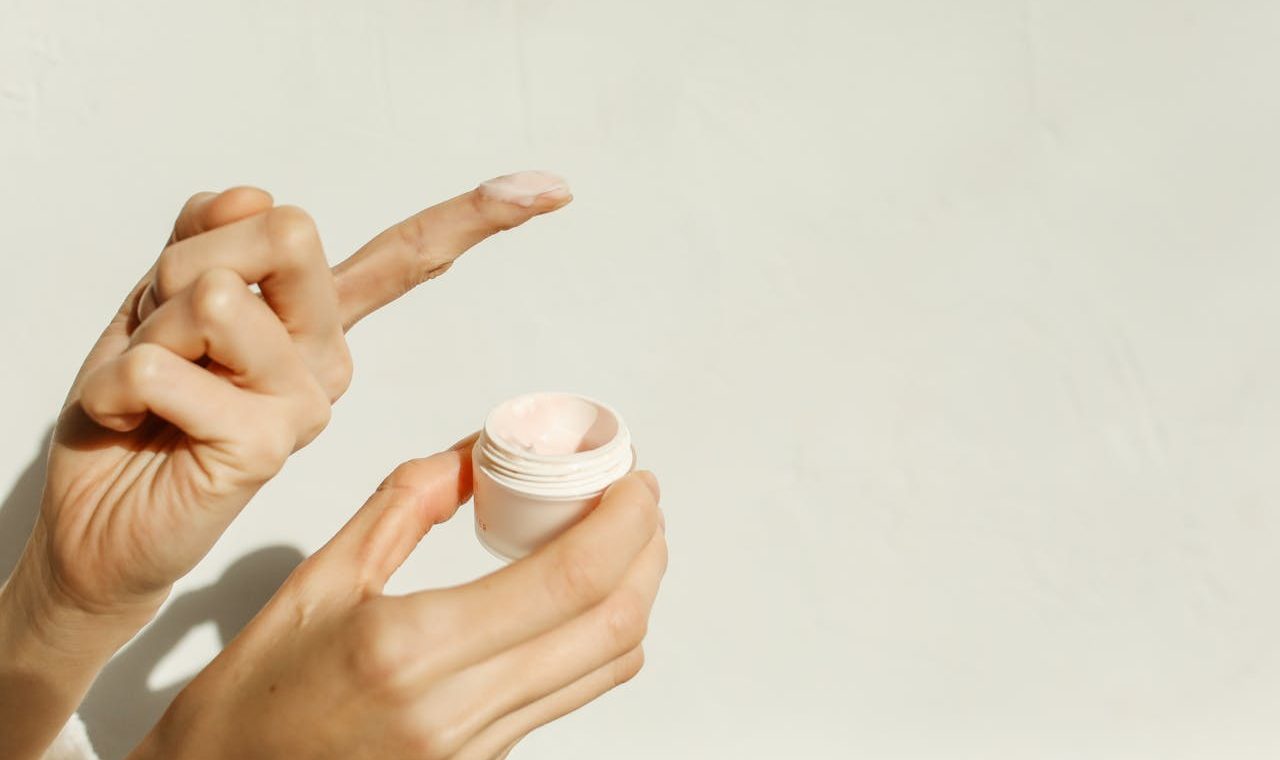
Proper application is critical. Below are the recommended steps for using the cream:
- Clean and Dry Skin: Wash the affected area with mild soap and water. Gently pat dry before application.
- Apply a Thin Layer: Use a small amount and spread evenly over the affected skin.
- Frequency: Apply twice daily, once in the morning and again at night.
- Avoid Sensitive Areas: Do not apply on the eyes, inside the mouth, or on broken skin.
- Hand Washing: Wash hands after applying unless the hands are the treated area.
These steps are fundamental to the Opzelura administration guidelines and ensure the treatment works effectively.
Dosage Instructions
Atopic Dermatitis Dosage
- Apply to affected areas twice daily.
- Do not apply to more than 20% of the body surface area.
- Use no more than 60 grams per week or 100 grams over two weeks.
- Discontinue use when symptoms improve.
- If no improvement is seen after eight weeks, consult your doctor.
Vitiligo Dosage
- Apply twice daily to depigmented skin.
- Limit use to 10% of body surface area.
- Maximum quantity: one 60-gram tube per week or one 100-gram tube every two weeks.
- Treatment duration may last several months.
- Re-evaluate use if no visible repigmentation after 24 weeks.
Always stay within the limits of the Opzelura administration guidelines to reduce potential risks.
How Long to Use Opzelura
For atopic dermatitis, Opzelura should be used short-term. Stop treatment once the rash or inflammation clears. For vitiligo, long-term use (often up to 24 weeks or more) may be needed to see visible repigmentation. However, the patient should be evaluated every few months to assess progress.
The Opzelura administration guidelines discourage continuous, indefinite use. Proper timing and medical oversight help maximize results and safety.
Storage Instructions
Store Opzelura properly to maintain its effectiveness:
- Keep at room temperature (68°F to 77°F or 20°C to 25°C).
- Do not freeze.
- Keep the cap tightly closed.
- Store away from children and pets.
Storing the cream correctly is part of the Opzelura administration guidelines and helps maintain potency.
What to Expect from Treatment
For Atopic Dermatitis
- Itching and redness may improve within days.
- Full relief could take a few weeks.
- Treatment is stopped once the flare clears.
For Vitiligo
- Repigmentation typically begins after 8 to 16 weeks.
- Continued improvement is seen with consistent use.
- Patience is important; some areas may respond faster than others.
Following the Opzelura administration guidelines can lead to visible, satisfying outcomes over time.
Possible Side Effects
As with any medication, Opzelura may cause side effects. These may include:
- Burning or stinging at the application site
- Acne or folliculitis (inflamed hair follicles)
- Upper respiratory infections
- Fever or flu-like symptoms
- Itching or redness
Less common but more serious side effects include:
- Serious infections
- Low red or white blood cell counts
- Increased risk of skin cancers
- Elevated cholesterol levels
Report all side effects to your healthcare provider. Sticking to the Opzelura administration guidelines can help reduce these risks.
Who Should Not Use Opzelura
Avoid using Opzelura if:
- You have a weakened immune system
- You are currently experiencing an active infection
- You are allergic to any ingredients in the cream
Opzelura should also not be used in children under 12, as safety and effectiveness have not been proven in that age group. Always consult a physician before starting treatment and follow the Opzelura administration guidelines closely.
Pregnancy and Breastfeeding
There is limited data on the use of Opzelura during pregnancy or while breastfeeding. If you are pregnant or plan to become pregnant, speak with your healthcare provider. The cream should be used only if the benefits outweigh the potential risks. These precautions are part of the essential Opzelura administration guidelines.
Drug Interactions
Opzelura has minimal systemic absorption, so drug interactions are unlikely. However, you should still inform your provider about any other medications or topical products you use. This ensures that the Opzelura administration guidelines are followed safely without risking interactions.
Monitoring and Follow-Up
During treatment, your healthcare provider may recommend regular check-ins. These visits help assess:
- Treatment effectiveness
- Onset of side effects
- Adherence to dosing instructions
Monitoring is especially important in long-term vitiligo therapy. The Opzelura administration guidelines emphasize the importance of continued oversight.
Tips for Best Results
To get the most from your treatment:
- Stay consistent with application times.
- Keep a treatment journal to track symptoms.
- Avoid sunburns, which may slow recovery.
- Combine with other prescribed treatments only under a doctor’s guidance.
These tips align with the Opzelura administration guidelines and improve your chances of success.
Real-Life Scenarios
Many U.S. patients have found relief using Opzelura. For example, some teenagers with chronic eczema have returned to school without itching and embarrassment. Adults with vitiligo have regained confidence as their skin gradually repigmented. While results vary, consistent use based on the Opzelura administration guidelines has helped many people lead more comfortable lives.
Cost and Insurance Coverage
In the U.S., the cost of Opzelura may vary by insurance provider. Many commercial plans cover it, especially for FDA-approved uses. Patients without insurance may qualify for manufacturer discount programs. Speak to a pharmacist or your provider to understand your options. Ensuring affordability helps maintain adherence to the Opzelura administration guidelines.
Conclusion
Opzelura is a powerful tool in the treatment of atopic dermatitis and vitiligo. However, its effectiveness depends on proper use. By understanding and following the Opzelura administration guidelines, patients can safely improve their skin health and quality of life. Always work with a trusted healthcare provider, report concerns promptly, and remain consistent with treatment. With the right approach, Opzelura can be an important step toward clearer, healthier skin.