
How to Balance Nutrition While on Blood Thinners
Living with a medical condition often means making changes to your daily life. If you’re taking blood thinners, nutrition becomes a critical part of your health plan. Many people across the United States rely on blood thinners to prevent blood clots, reduce the risk of stroke, or manage heart conditions. One major concern for these individuals is how to balance nutrition while on blood thinners without compromising their health. This article will guide you through what you need to know about diet and safety while taking anticoagulant medication.
Understanding Blood Thinners
Blood thinners are medications that prevent blood from clotting easily. They are essential for people with atrial fibrillation, deep vein thrombosis, pulmonary embolism, or those who’ve had a stroke. Common blood thinners include warfarin, apixaban, rivaroxaban, and dabigatran.
Each type works differently, but all of them impact how your body manages clot formation. This effect also changes how your body reacts to certain vitamins and minerals, especially vitamin K. That’s why knowing how to balance nutrition while on blood thinners is so important.
The Role of Vitamin K
Vitamin K plays a role in helping your blood clot. When you’re on warfarin, a popular blood thinner, vitamin K can interfere with how the drug works. Some people mistakenly believe they need to eliminate vitamin K altogether. This is not true. The goal is to maintain a consistent intake.
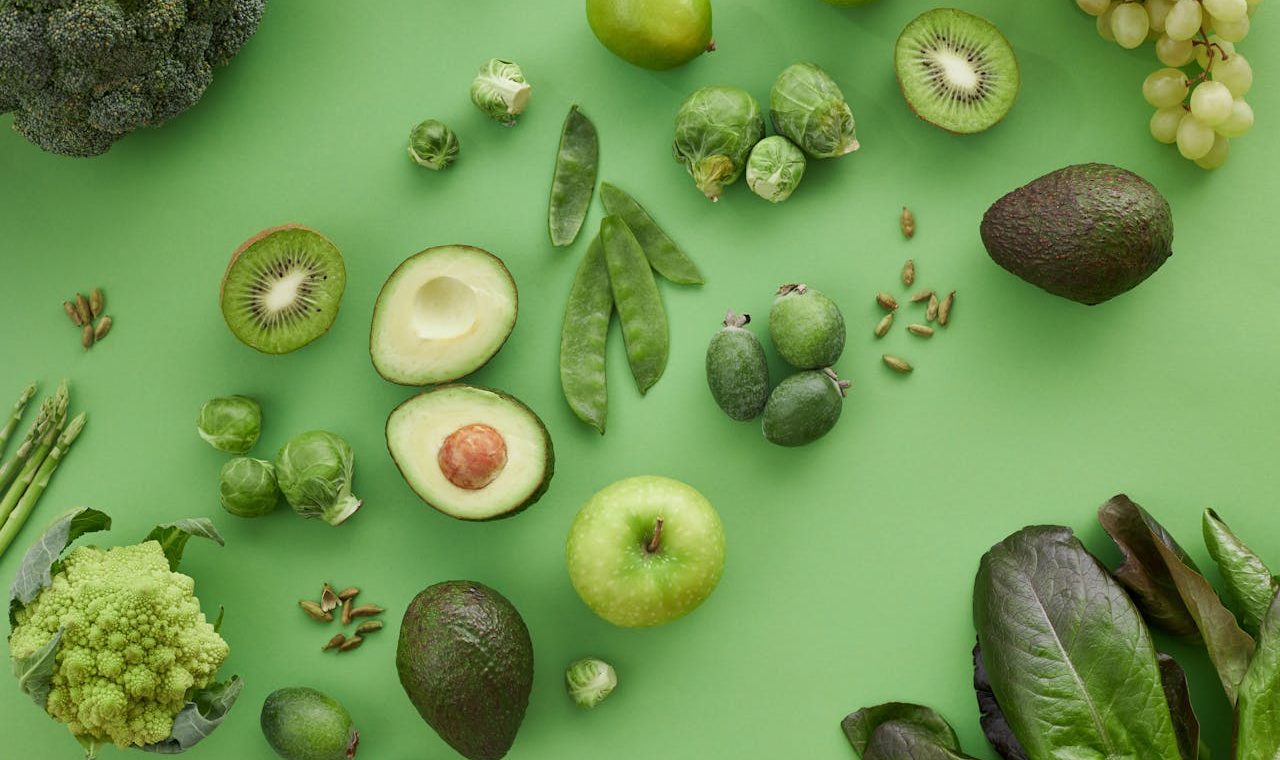
Foods high in vitamin K include spinach, kale, broccoli, and Brussels sprouts. You don’t need to avoid these. Instead, eat them in consistent amounts. If you normally eat one serving of greens a day, continue doing that. Sudden increases or decreases in vitamin K can throw off your medication balance.
That’s one of the first steps in learning how to balance nutrition while on blood thinners.
Managing Green Leafy Vegetables
Green vegetables are nutrient-rich and important for overall health. Don’t cut them out completely. The key is consistency. Try to plan your meals so you’re getting a regular amount of greens throughout the week. Don’t binge on spinach one day and avoid it for the next five. That inconsistency can affect your medication’s effectiveness.
If you enjoy salads, make them a daily part of your diet. Use the same ingredients regularly to keep your vitamin K intake stable. By doing so, you are supporting your heart health and learning how to balance nutrition while on blood thinners in a practical way.
Foods to Be Cautious With
Aside from vitamin K-rich foods, there are others that may interact with blood thinners. Grapefruit and grapefruit juice can affect how your body processes certain medications. Cranberry juice might increase your bleeding risk, especially if consumed in large amounts. Some herbal teas and supplements, like ginkgo biloba, ginseng, and St. John’s wort, may also interfere with your blood thinner.
Always talk to your doctor before adding new items to your diet. Being aware of these interactions is part of understanding how to balance nutrition while on blood thinners and staying safe.
Staying Hydrated
Water plays a crucial role in blood circulation and medication absorption. Dehydration can thicken your blood, which is not ideal when you’re on blood thinners. Aim to drink enough water daily—generally about 8 cups for most adults, though needs may vary.
Limiting alcohol is also advised. While an occasional drink may be acceptable, alcohol can thin your blood further and increase your risk of bleeding. Talk to your healthcare provider about what’s safe for you.
Staying properly hydrated is another foundational step in learning how to balance nutrition while on blood thinners.
Creating a Balanced Meal Plan
Your diet should include a mix of fruits, vegetables, whole grains, lean proteins, and healthy fats. Here’s an example of a balanced day:
- Breakfast: Oatmeal with banana slices and a sprinkle of chia seeds
- Lunch: Grilled chicken wrap with romaine lettuce and tomato on whole grain tortilla
- Dinner: Baked salmon, brown rice, and steamed broccoli
- Snacks: Carrot sticks, apple slices, or a handful of almonds
The broccoli in your dinner adds vitamin K, but it’s balanced with the rest of the meal. Eating this way consistently teaches your body and your medication what to expect, helping with how to balance nutrition while on blood thinners successfully.
Importance of Portion Control
Portion control helps you avoid overdoing foods that could impact your medication. While you don’t have to eliminate certain items, keeping portions moderate is key. For example, enjoy kale as a side dish rather than making it the main component of your meal.
Overeating high-vitamin K foods in one sitting could spike your intake and impact your INR (international normalized ratio), which measures how long it takes your blood to clot. Being mindful of portions makes it easier to manage how to balance nutrition while on blood thinners without feeling deprived.
The Value of Routine
A regular eating schedule helps your medication work better. Try to eat meals at the same time each day. This consistency supports your metabolism and helps maintain stable nutrient levels in your bloodstream. It’s especially helpful if you’re taking your blood thinner at a specific time.
Routine not only improves your medication’s effectiveness but also reinforces your understanding of how to balance nutrition while on blood thinners in daily life.
Exercise and Its Role
Physical activity helps improve circulation and heart health. Most people on blood thinners can exercise safely, but they should avoid activities with high injury risk. Brisk walking, swimming, yoga, and cycling are excellent options.
Pairing exercise with a consistent diet plan supports your health goals and enhances the benefits of your medication. Staying active is an important companion to how to balance nutrition while on blood thinners and can even improve your energy and mental well-being.
What to Watch For
If your diet becomes inconsistent or you introduce new supplements or foods, you might notice side effects. These can include easy bruising, prolonged bleeding from small cuts, or changes in your INR levels. Always report these to your doctor.
Keeping a food journal can help you track patterns. This habit supports your effort in mastering how to balance nutrition while on blood thinners and helps your doctor make informed adjustments if needed.
Medication and Food Tracking Tools
Today’s technology makes it easier to stay on top of your health. Apps that log your meals, remind you to take medication, and monitor symptoms are widely available. Some apps can even track your vitamin K intake based on the foods you enter.
These tools provide added support for those learning how to balance nutrition while on blood thinners, especially when life gets busy.
Special Diet Considerations
If you follow a plant-based, low-carb, or Mediterranean diet, you may need to adjust how you eat while on blood thinners. For example, a vegan diet often includes large amounts of leafy greens. If this applies to you, talk to your doctor or a dietitian about maintaining balance.
The same goes for low-carb diets. If you’re avoiding grains and fruits, you may miss out on fiber and other nutrients. Adding safe, low-vitamin K vegetables and legumes can help you stay on track. Tailoring your diet to your medication is essential when thinking about how to balance nutrition while on blood thinners.
Communicating With Your Doctor
Your healthcare provider is your best ally. Share your dietary habits, preferences, and any changes in your routine. This helps them tailor your treatment and guide you through any needed adjustments.
Regular blood tests, especially if you are on warfarin, allow your provider to check how your diet is affecting your medication. This partnership is a core part of how to balance nutrition while on blood thinners safely and effectively.
Final Thoughts
Learning how to balance nutrition while on blood thinners is not about strict rules or fear—it’s about consistency, knowledge, and awareness. With the right approach, you can enjoy a healthy, satisfying diet without compromising your treatment. Remember, your goal is to maintain balance, not perfection.
Talk to your doctor, monitor your diet, and use tools and habits that work for your lifestyle. With these steps, you’ll be well on your way to a stable, healthy routine that supports your medication and overall well-being.