
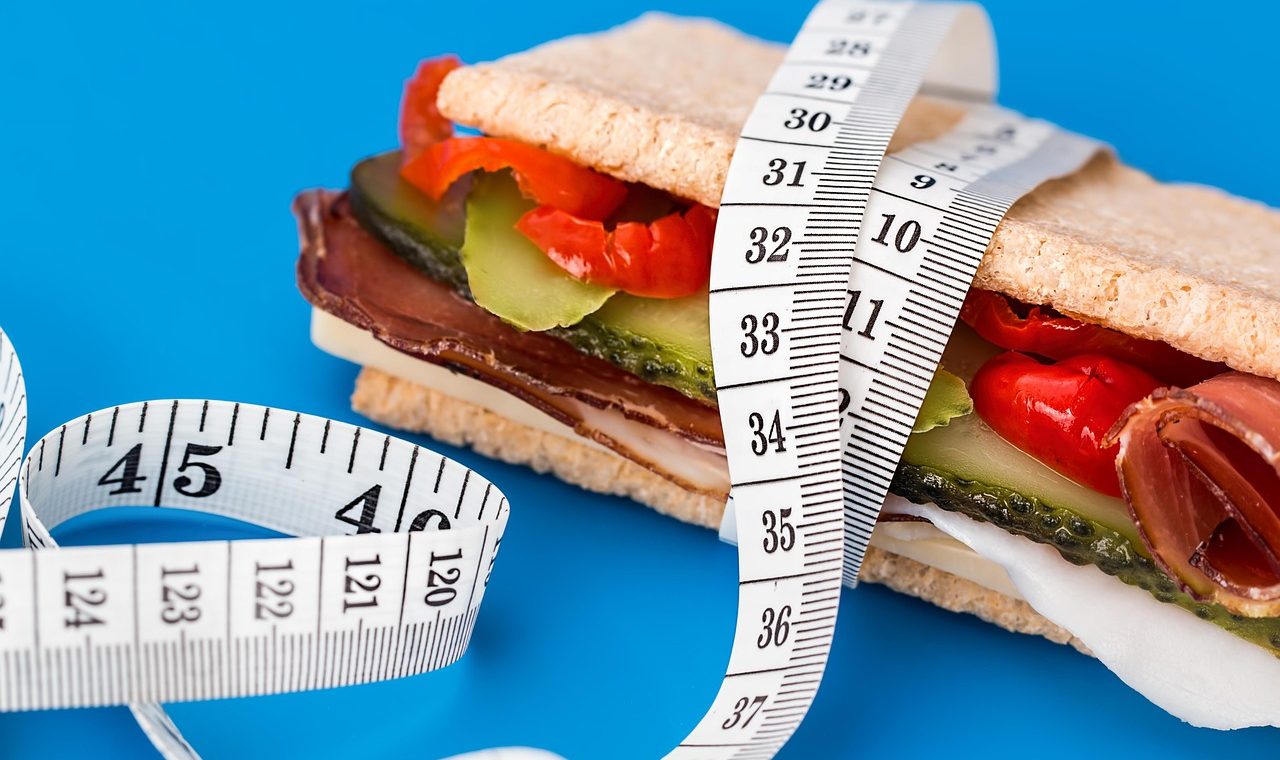
Best Foods to Pair with Rybelsus: Optimizing Your Diet
Rybelsus (semaglutide) is an oral medication designed to help manage blood sugar levels in individuals with type 2 diabetes. It works by mimicking the hormone GLP-1, which plays a key role in regulating blood sugar by enhancing insulin sensitivity, reducing appetite, and slowing down digestion.Rybelsus can be highly effective in managing diabetes. Choosing the best foods to pair with Rybelsus can significantly amplify its benefits, help minimize side effects like nausea, and promote overall well-being.
Why Diet Matters When Taking Rybelsus
A well-balanced diet plays a vital role in optimizing the effects of Rybelsus. This medication works by slowing gastric emptying, promoting satiety, and improving insulin sensitivity. Without the right food choices, the full benefits of Rybelsus may not be realized. Pairing Rybelsus with a nutritious diet can:
- Stabilize blood sugar levels and prevent drastic spikes.
- Alleviate digestive issues, such as bloating or nausea.
- Enhance weight loss and muscle maintenance.
- Support the overall health of the gut microbiome, contributing to better digestion and immune function.
By incorporating nutrient-dense foods, you’ll be able to maximize the benefits of Rybelsus and improve your long-term health.
Best Foods to Pair with Rybelsus
When considering the best foods to pair with Rybelsus, it’s crucial to focus on those that are rich in fiber, lean protein, healthy fats, and essential nutrients, while avoiding foods that could cause blood sugar spikes or exacerbate digestive discomfort. Below are some of the best food groups to include in your diet:
1. High-Fiber Vegetables
Fiber is essential for stabilizing blood sugar and supporting healthy digestion. It helps slow the digestion of carbohydrates, which can prevent rapid blood sugar fluctuations. Fiber also promotes gut health and enhances feelings of fullness, which can help with weight management.
Examples of high-fiber vegetables include:
- Leafy greens: Spinach, kale, romaine lettuce, Swiss chard
- Cruciferous vegetables: Broccoli, cauliflower, Brussels sprouts, cabbage
- Bell peppers: Rich in antioxidants and low in calories
- Zucchini: A great source of both fiber and water, which helps with digestion
- Carrots: High in beta-carotene and fiber, perfect for adding texture to dishes
- Cucumbers: Hydrating and low-calorie, excellent for digestive health
2. Lean Proteins
Protein plays a crucial role in stabilizing blood sugar and supporting muscle mass. When combined with fiber, it helps you feel fuller longer and reduces the likelihood of overeating. Additionally, lean protein sources are typically lower in unhealthy fats, making them heart-healthy options.
Some great sources of lean protein include:
- Skinless chicken breast: Packed with protein and low in fat
- Turkey: Another excellent low-fat, high-protein option
- Eggs: Rich in protein and nutrients, great for breakfast or adding to salads
- Tofu: A plant-based protein that is versatile and easy to cook with
- Fish: Especially fatty fish like salmon, tuna, and cod, which are high in omega-3 fatty acids
- Greek yogurt: Provides both protein and probiotics, supporting digestive health
- Lentils: High in both protein and fiber, making them ideal for plant-based diets
3. Whole Grains
Whole grains provide a steady release of energy, which can help avoid blood sugar spikes. Unlike refined grains, whole grains are rich in fiber and essential nutrients, making them an excellent choice for maintaining balanced blood sugar levels.
Examples of whole grains include:
- Quinoa: A high-protein, gluten-free grain that’s perfect for salads or bowls
- Brown rice: A heart-healthy, fiber-packed alternative to white rice
- Whole wheat bread: Provides fiber and nutrients that refined white bread lacks
- Oatmeal: A great breakfast option that’s high in soluble fiber and helps regulate cholesterol
- Barley: A fiber-rich grain that can be added to soups or stews
- Farro: An ancient grain with a nutty flavor and high fiber content
4. Healthy Fats
Healthy fats play a key role in hormone regulation, heart health, and satiety. Including these fats in your meals can help you feel fuller for longer and reduce cravings, making it easier to maintain a balanced diet.
Good sources of healthy fats include:
- Avocados: Rich in heart-healthy monounsaturated fats and fiber
- Nuts: Almonds, walnuts, cashews, and pistachios provide healthy fats, protein, and fiber
- Seeds: Chia seeds, flaxseeds, and sunflower seeds are packed with omega-3 fatty acids and fiber
- Olive oil: A healthy fat source that can be used for cooking or as a dressing
- Fatty fish: Salmon, sardines, and mackerel are loaded with omega-3 fatty acids, which support heart health
5. Low-Glycemic Fruits
Some fruits are high in sugar and may cause a rapid spike in blood glucose levels. However, low-glycemic fruits are slow to digest and can be safely enjoyed by most people with diabetes.
Examples of low-glycemic fruits include:
- Berries: Strawberries, blueberries, raspberries, and blackberries are high in fiber and antioxidants
- Apples: A good source of fiber and vitamin C, with a relatively low glycemic index
- Pears: Provide fiber and vitamins while having a mild impact on blood sugar levels
- Peaches: Low in sugar and a good source of vitamins A and C
- Cherries: Contain antioxidants and have a low glycemic index
- Oranges: High in vitamin C and fiber, but won’t cause a significant rise in blood sugar
- Grapefruit: A citrus fruit that can aid in digestion and regulate blood sugar levels
Foods to Avoid While Taking Rybelsus
While Rybelsus can help control blood sugar, consuming certain foods may counteract its effectiveness or cause digestive discomfort. Avoid the following:
- Sugary foods and drinks: Soda, candy, baked goods, and sugary snacks can cause blood sugar spikes and lead to weight gain.
- Fried and greasy foods: Fast food, heavy cream sauces, and fried foods can worsen digestive issues and contribute to heart disease.
- Highly processed foods: White bread, chips, and packaged snacks are often low in fiber and nutrients, which can lead to blood sugar imbalances.
- High-sodium foods: Processed meats, canned soups, and salty snacks can increase the risk of high blood pressure and other health complications.
- Excessive caffeine or alcohol: Both can disrupt blood sugar regulation and exacerbate the side effects of Rybelsus.
Best Meal Ideas to Pair with Rybelsus
Breakfast Ideas
- Scrambled eggs with spinach and whole wheat toast
- Greek yogurt topped with chia seeds, fresh berries, and a drizzle of honey
- Oatmeal topped with walnuts, sliced apples, and cinnamon for added flavor
Lunch Ideas
- Grilled salmon served with quinoa and roasted Brussels sprouts
- A chicken salad made with mixed greens, cherry tomatoes, avocado, and a lemon vinaigrette
- Hearty lentil soup served with a side of whole-grain bread for dipping
Dinner Ideas
- Baked tofu paired with stir-fried vegetables and brown rice
- Grilled turkey breast with roasted sweet potatoes and sautéed asparagus
- Pan-seared cod served with sautéed kale and a side of quinoa
Final Thoughts
Pairing Rybelsus with a well-rounded diet is essential for maximizing its effectiveness and supporting your overall health. Foods that are rich in fiber, lean proteins, healthy fats, and low-glycemic fruits are ideal choices to enhance the benefits of this medication. Be sure to avoid sugary, processed, and high-sodium foods that could negate the positive effects of Rybelsus.
Before making any significant changes to your diet, it’s important to consult with your healthcare provider or a registered dietitian, especially if you’re taking prescription medications like Rybelsus. The best foods to pair with Rybelsus can aid you with your dietary choices and ensure that you’re supporting your health in the best way possible.