
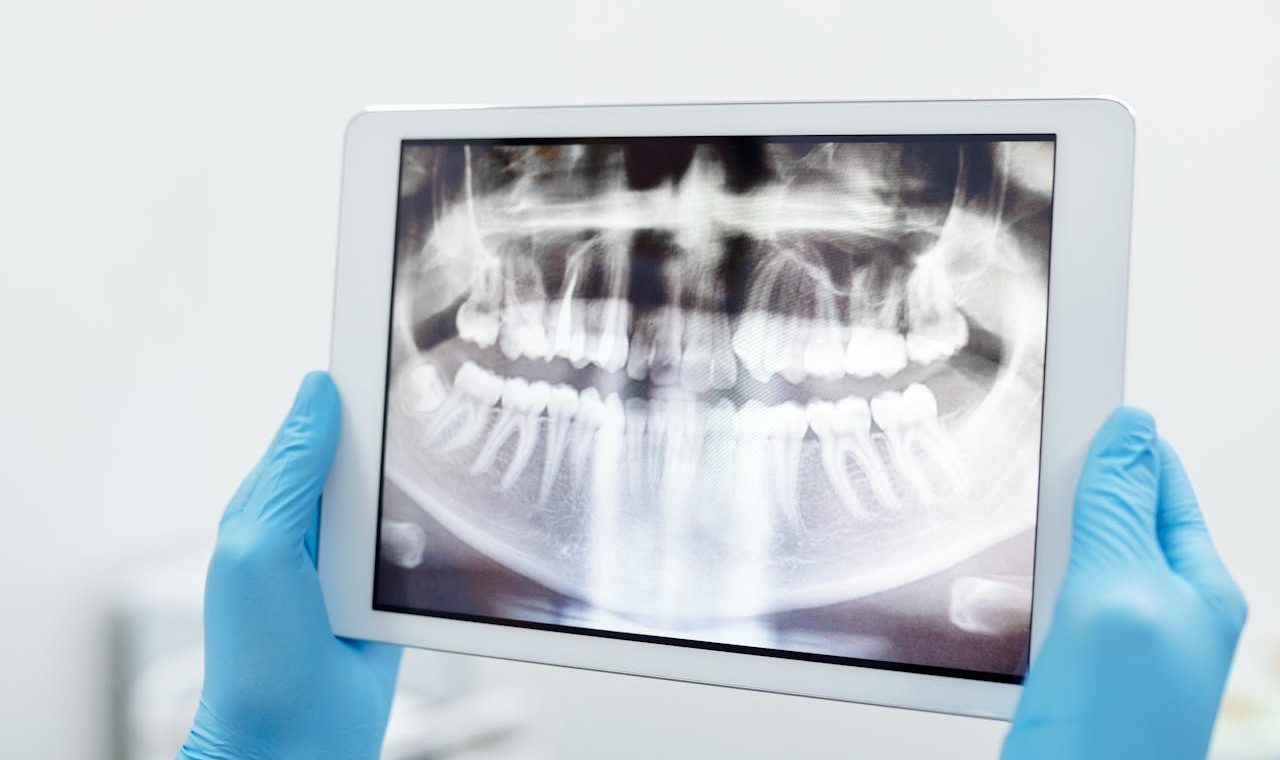
The Importance of Managing Blood Thinners and Dental Procedures for Your Health
When it comes to maintaining good health, taking medication for chronic conditions is often necessary. One important category of medication involves blood thinners, which play a crucial role in preventing blood clots and reducing the risk of serious conditions like stroke, heart attack, and deep vein thrombosis (DVT). However, managing blood thinners requires careful consideration, especially when it comes to undergoing dental procedures.
The relationship between blood thinners and dental procedures is a critical one. While blood thinners prevent clot formation, they also make it harder for blood to clot properly when needed. This can complicate dental treatments, from routine cleanings to more complex surgeries like tooth extractions or root canals.
In this article, we will explore the important considerations regarding blood thinners and dental procedures, the precautions to take before and after dental treatments, and what both patients and dentists should be aware of to ensure the best possible outcome.
What Are Blood Thinners?
Blood thinners are medications designed to reduce the blood’s ability to clot. Clotting is a natural process that helps prevent excessive bleeding when injuries occur. However, for patients with conditions like atrial fibrillation, deep vein thrombosis (DVT), or those at risk for stroke, abnormal blood clotting can pose serious risks. Blood thinners work to prevent these harmful clots from forming, thus reducing the likelihood of life-threatening conditions.
There are two primary categories of blood thinners:
- Anticoagulants – These drugs work by interfering with the blood’s clotting ability, making it thinner and less likely to clot. Common anticoagulants include warfarin, heparin, and newer options like dabigatran, rivaroxaban, and apixaban.
- Antiplatelets – These medications prevent platelets from sticking together to form clots. Aspirin is one of the most common antiplatelet medications.
While these medications are life-saving, they also come with risks. The most notable of these risks is bleeding, which can be dangerous, particularly during procedures that involve cutting or altering tissues, such as dental work.
How Do Blood Thinners Affect Dental Procedures?
The interaction between blood thinners and dental procedures is of particular concern for patients undergoing any form of oral surgery, extractions, or even routine dental cleanings. The reason for this concern is that blood thinners prevent the formation of blood clots. After any dental procedure that causes bleeding, such as tooth extractions or gum surgery, blood clots are typically needed to stop the bleeding and begin the healing process.
However, for patients on blood thinners, clot formation can be delayed or ineffective. This leads to the following issues:
Excessive Bleeding
One of the primary risks when combining blood thinners and dental procedures is excessive bleeding. Blood thinners interfere with the blood’s ability to clot, which makes stopping the bleeding after dental work more difficult. Whether it’s a routine cleaning or more invasive procedures like root canals, patients on blood thinners may experience prolonged bleeding at the treatment site.Difficulty in Wound Healing
After any dental procedure, it is crucial that the wound heals quickly to prevent infection and further complications. However, blood thinners slow down the body’s ability to form a stable blood clot, which is necessary to seal the wound and stop the bleeding. This can result in slower healing, prolonged discomfort, and potentially a higher risk of infection at the treatment site.Increased Risk of Infection
In addition to delayed healing, patients on blood thinners are at greater risk of infection. If a blood clot does not form properly, bacteria can enter the wound, leading to a higher chance of an infection. Infections can complicate recovery and might require additional treatment or even hospitalization.
Pre-Procedure Considerations for Patients on Blood Thinners
Before undergoing any dental work, it is essential to inform your dentist about the medications you are taking, particularly blood thinners. This allows your dentist to adjust their approach to care and coordinate with your doctor to ensure that the procedure goes smoothly and safely.
Here are some key steps and considerations before undergoing dental work if you are on blood thinners:
Discuss Your Medications
The first step is to discuss your blood thinner medications with both your dentist and your prescribing physician. This is essential for ensuring proper coordination between healthcare providers. Inform them of the specific blood thinner you are taking, the dosage, and how long you have been on it.Possible Adjustment of Medication
In some cases, your doctor may suggest adjusting the dosage of your blood thinner medication prior to your dental procedure. This decision should always be made by your doctor, based on the type of procedure you are having and your individual medical needs. For certain dental procedures, your doctor may recommend temporarily stopping the medication or reducing the dose. However, it is important to never adjust your medication without professional guidance.Timing of Medication
In addition to dosage adjustments, your doctor may recommend stopping your blood thinner medication several days before your procedure. This allows your blood to regain its natural clotting ability and reduces the risk of excessive bleeding. However, the exact timing will depend on the type of blood thinner you are taking. For example, with warfarin, your doctor may suggest stopping the medication five days before the procedure. Newer blood thinners may require different timing.Coordinating with Your Dentist
Your dentist should be aware of any adjustments to your medication schedule and should take this into consideration when performing your procedure. For example, if your blood thinner dosage is temporarily reduced, your dentist may opt for a gentler approach to dental work to minimize bleeding risks.
During the Procedure
During your dental procedure, your dentist will take extra precautions to minimize bleeding and avoid complications. Depending on the complexity of the procedure, your dentist may use different strategies:
Local Anesthesia
Your dentist may use local anesthesia to numb the area being worked on. This will not only help with pain management but can also assist in reducing the risk of excessive bleeding by preventing movement and tension in the tissues.Use of Clotting Agents
For more invasive dental work, such as tooth extractions or gum surgery, your dentist may use special clotting agents or techniques to help control bleeding. These agents promote blood clot formation and can help to ensure that the wound is properly sealed.Gentle Surgical Techniques
Dentists may opt for gentler surgical techniques to minimize trauma to the tissues. This can help reduce bleeding, pain, and the risk of complications in patients on blood thinners.Pressure Dressings
If needed, your dentist may apply a pressure dressing after the procedure to help control bleeding. This will help stabilize the wound and allow for better healing.
Post-Procedure Care for Patients on Blood Thinners
After your dental procedure, proper post-procedure care is essential for ensuring that you recover as smoothly as possible. For patients on blood thinners, there are additional steps to follow in order to manage bleeding and healing.
Monitor for Excessive Bleeding
It is important to monitor your mouth for any signs of excessive bleeding after the procedure. While some bleeding is normal, it should stop within a few hours. If the bleeding does not subside or becomes excessive, contact your dentist or healthcare provider immediately.Ice Packs and Swelling Management
Swelling is another common issue after dental work, especially in patients who are on blood thinners. Ice packs can be applied to the affected area to reduce swelling and manage discomfort. Make sure to follow your dentist’s instructions on how long to apply the ice pack.Pain Management
Pain relief is an essential part of recovery. Over-the-counter pain medications like acetaminophen can be effective for mild discomfort. However, avoid using nonsteroidal anti-inflammatory drugs (NSAIDs) like ibuprofen, as they can further increase the risk of bleeding. Your dentist may also prescribe specific pain relief medications to help manage post-procedural discomfort.Oral Hygiene and Infection Prevention
Maintaining good oral hygiene is important, but it is crucial to be gentle after a dental procedure. Avoid brushing the area where the procedure was performed until the dentist gives you the go-ahead. Also, avoid using mouthwashes that contain alcohol as they may irritate the wound.Watch for Signs of Infection
Keep an eye out for any signs of infection, such as increased redness, pus, or a bad taste in the mouth. If any of these signs appear, contact your dentist or healthcare provider as soon as possible for further treatment.
Are There Alternatives to Blood Thinners?
In some cases, patients may need to consider alternatives to blood thinners, especially if the risks of bleeding during dental procedures are too high. Alternatives may include different classes of medication that have less impact on clotting, or procedures to address the underlying condition without blood thinners. However, any changes to your medication should only be made after a thorough discussion with your doctor.
Conclusion
Managing blood thinners and dental procedures requires careful planning and coordination between your healthcare team and dentist. Blood thinners are essential for many patients who are at risk of clotting, but they do carry risks, particularly when it comes to dental work. By informing your dentist and doctor about your medication, following any recommended adjustments to your blood thinner dosage, and taking proper care before, during, and after your procedure, you can reduce the risks and ensure a successful treatment outcome.
With the right precautions, patients taking blood thinners can safely undergo dental procedures, maintain good oral health, and enjoy a speedy recovery. Always consult your healthcare team for personalized advice and guidance.