
Breathing Easy or Raising Pressure? Can Symbicort Cause High Blood Pressure
Millions of Americans suffer from asthma and chronic obstructive pulmonary disease (COPD). These conditions make it difficult to breathe. To manage symptoms, many people are prescribed Symbicort. This medication helps open airways and reduce inflammation.
But some people ask, Can Symbicort cause high blood pressure? This is an important question for those who are managing both breathing issues and heart health.
Let’s explore what Symbicort is, how it works, and whether it can impact your blood pressure. Understanding this can help you make safer choices for your health.
What Is Symbicort?
Symbicort is an inhaled medication. It combines two drugs: budesonide and formoterol. Budesonide is a corticosteroid. It helps reduce inflammation in your airways. Formoterol is a long-acting beta agonist. It relaxes the muscles around your airways.
Together, these two medications help people with asthma and COPD breathe better. Symbicort is not for quick relief. It’s used as a daily treatment to prevent flare-ups.
Most people use Symbicort twice a day, once in the morning and once at night.
Why People Ask: Can Symbicort Cause High Blood Pressure?
Many medications come with possible side effects. Some of these may affect your blood pressure. That’s why people often wonder, Can Symbicort cause high blood pressure?
High blood pressure, or hypertension, is a common condition. It increases the risk of heart disease and stroke. So, it’s important to know if your inhaler could make this worse.
People with asthma or COPD are often older adults. Many also have heart conditions. This makes blood pressure a top concern.
How Symbicort Might Affect Blood Pressure
Symbicort contains a beta agonist called formoterol. This drug can stimulate the heart and nervous system. It may raise heart rate or cause palpitations in some people.
In rare cases, this stimulation may lead to an increase in blood pressure. That’s why the question Can Symbicort cause high blood pressure? is not baseless.
However, not everyone will experience this effect. Most people tolerate Symbicort well. The risk seems to be higher in those who are already sensitive to stimulants.
Corticosteroids, like budesonide, can also raise blood pressure when taken in high doses. But inhaled steroids usually do not cause the same problems as oral ones. Inhaled doses are lower and more targeted to the lungs.
Still, some small amount of the drug enters the bloodstream. Over time, this may affect blood pressure in a few individuals.
Risk Factors That May Increase Blood Pressure
If you’re asking, Can Symbicort cause high blood pressure?, consider other risk factors, too. These include:
- Being over 50 years old
- Having a family history of high blood pressure
- Being overweight or obese
- Smoking or drinking too much alcohol
- High salt intake
- Stress or lack of exercise
If you already have one or more of these risk factors, using any medication that might raise blood pressure deserves attention.
Signs to Watch For
If you’re taking Symbicort and worried about blood pressure, look for these signs:
- Frequent headaches
- Dizziness
- Chest pain or tightness
- Irregular or fast heartbeat
- Blurry vision
- Fatigue or confusion
These symptoms may not always mean high blood pressure, but they should be checked out. If you’re asking, Can Symbicort cause high blood pressure?, tracking your symptoms is a good place to start.
How to Monitor Blood Pressure at Home
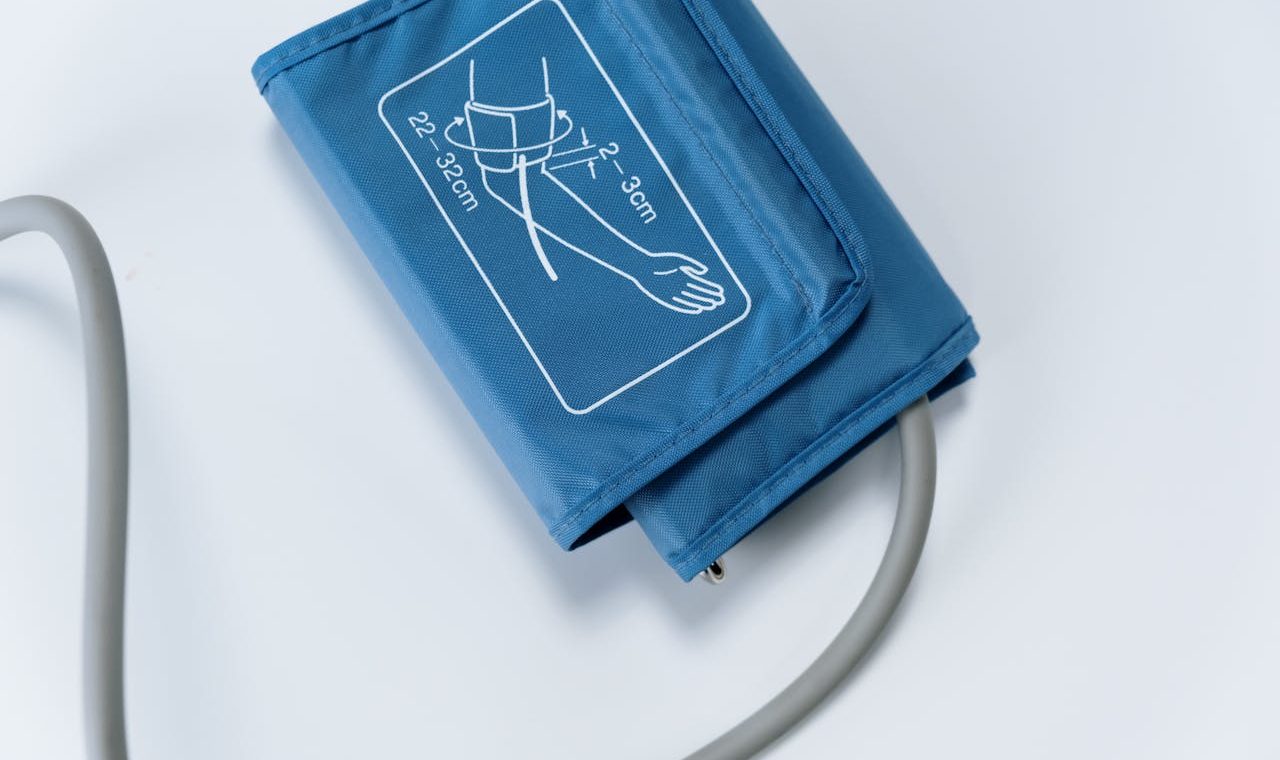
It’s smart to check your blood pressure regularly. You can buy a home blood pressure monitor at most drugstores. Take readings at the same time each day for consistency.
Keep a log of your results. Share them with your doctor during appointments. This can help your doctor decide if Symbicort is affecting your blood pressure.
If you’re wondering, Can Symbicort cause high blood pressure?, this kind of data gives you real answers.
What to Do if You Notice Higher Blood Pressure
If your readings are going up, don’t panic. Talk to your doctor before stopping Symbicort. Your breathing condition still needs treatment. Stopping suddenly can cause serious problems.
Your doctor may:
- Adjust your dose
- Switch you to a different inhaler
- Add a blood pressure medication
- Recommend lifestyle changes
Always follow medical advice carefully. Your provider will balance the benefits of Symbicort with any risk of increased blood pressure.
Alternatives to Symbicort
If you’re sensitive to medications or worried about side effects, you may ask, Can Symbicort cause high blood pressure? and also wonder about alternatives.
There are other inhalers available for asthma and COPD. These include:
- Advair
- Breo Ellipta
- Dulera
- Spiriva
Each has different ingredients and side effect profiles. Talk to your doctor about switching if Symbicort does not suit you.
Lifestyle Tips to Reduce Blood Pressure Risk
Whether or not you take Symbicort, these steps can help control your blood pressure:
- Eat a low-salt, heart-healthy diet
- Stay physically active
- Maintain a healthy weight
- Limit alcohol and quit smoking
- Reduce stress with relaxation techniques
- Take medications as prescribed
When you ask, Can Symbicort cause high blood pressure?, it’s important to consider how daily habits also play a big role.
Symbicort and Other Medications
Always tell your doctor about other medications you take. Some drug combinations may raise your blood pressure even more.
For example:
- Decongestants
- Certain antidepressants
- NSAIDs like ibuprofen
- Steroid pills
- Stimulants for ADHD
Drug interactions can cause issues. Be open about your medications, including supplements and over-the-counter products.
Children and Blood Pressure Concerns
Symbicort is not usually used in young children. For those aged 12 and up, doctors may prescribe it for moderate to severe asthma.
Parents may also ask, Can Symbicort cause high blood pressure? in teens or young adults. The risk in younger users is generally lower, but side effects can happen.
Make sure your child sees their doctor regularly if they use this medication.
Elderly Patients and Blood Pressure Monitoring
Older adults often have multiple health conditions. They are more likely to have high blood pressure. For this group, the question Can Symbicort cause high blood pressure? becomes even more important.
If you’re over 65, work closely with your doctor. Adjustments may be needed more often to avoid side effects.
Symbicort Dosage and Side Effects
Symbicort comes in different strengths. A higher dose may be more likely to cause side effects. Ask your doctor if a lower dose could work for you.
Common side effects of Symbicort include:
- Sore throat
- Hoarseness
- Dry mouth
- Tremors
- Nervousness
- Increased heart rate
Though rare, high blood pressure is a possible side effect. That’s why the question Can Symbicort cause high blood pressure? should not be ignored.
Importance of Regular Checkups
If you use Symbicort daily, regular checkups are key. These visits help monitor both your lung function and your blood pressure.
Bring up any side effects you’ve noticed. Even small changes matter. Your doctor may run tests to check your heart and blood vessels.
Annual checkups are especially important for people over 50.
Managing Your Health Long-Term
Asthma and COPD are long-term conditions. So is high blood pressure. You must manage both to stay healthy and active.
If you ask yourself, Can Symbicort cause high blood pressure?, you’re already thinking ahead. This kind of awareness helps you stay on top of your health.
Stick to your treatment plan. Make changes when needed. And don’t ignore any signs that something might be wrong.
When to Seek Emergency Care
In rare cases, side effects from medications like Symbicort can be serious. Get emergency help if you experience:
- Chest pain
- Trouble breathing
- Loss of vision
- Fainting
- Sudden confusion
- Seizures
These could be signs of a major blood pressure problem or other serious issue.
Even if you’re not sure, it’s better to be safe. Go to the ER or call 911 if something doesn’t feel right.
Final Thoughts
So, Can Symbicort cause high blood pressure? The answer is yes, in some people. But for most users, the risk is low and manageable.
The key is awareness. Know your body. Watch for signs of high blood pressure. Check your readings at home. And always stay in touch with your doctor.
Symbicort helps many people breathe better and live more active lives. But if it causes problems, there are always other options.
Ask questions. Stay informed. And take control of your health—both your lungs and your heart depend on it.