
Eliquis and Prediabetes: Understanding the Connection and Managing Risks
Blood clot prevention is crucial for individuals at risk of heart disease or stroke. Eliquis and prediabetes are two health concerns that may overlap for some patients. Eliquis (apixaban) is a blood thinner prescribed to prevent dangerous clots, while prediabetes is a condition where blood sugar levels are higher than normal but not high enough to be classified as diabetes. Understanding how these two conditions interact is essential for safe and effective treatment.
What Is Eliquis?
Eliquis belongs to a class of medications known as direct oral anticoagulants (DOACs). It helps reduce the risk of blood clots in people with atrial fibrillation (AFib) and those recovering from hip or knee replacement surgery. Unlike older anticoagulants, Eliquis does not require frequent blood monitoring, making it a convenient option for many patients.
How Eliquis Works
Eliquis blocks Factor Xa, a protein involved in the blood clotting process. By inhibiting this protein, it prevents clot formation, reducing the risk of stroke, deep vein thrombosis (DVT), and pulmonary embolism (PE). However, since it affects the body’s ability to form clots, it also increases the risk of bleeding.
Understanding Prediabetes
Prediabetes is a warning sign that the body is struggling to regulate blood sugar properly. If left unmanaged, it can develop into type 2 diabetes. Some key indicators of prediabetes include:
- Fasting blood sugar levels between 100 and 125 mg/dL
- An A1C level between 5.7% and 6.4%
- Increased insulin resistance
- Weight gain, particularly around the abdomen
Risk Factors for Prediabetes
Certain factors increase the likelihood of developing prediabetes:
- Being overweight or obese
- Having a sedentary lifestyle
- Family history of diabetes
- High blood pressure or high cholesterol
- A history of gestational diabetes
Eliquis and Prediabetes: Potential Interactions
People with Eliquis and prediabetes must be aware of possible interactions and health concerns. While Eliquis does not directly affect blood sugar, it can still influence overall health in several ways.
1. Increased Bleeding Risk in Prediabetic Patients
Prediabetes often comes with an increased risk of high blood pressure and cardiovascular issues. Since Eliquis prevents blood clots, excessive bleeding may be a concern, especially in patients with fluctuating glucose levels. Uncontrolled blood sugar can damage blood vessels, making them more fragile and prone to bleeding.
2. Impact on Cardiovascular Health
Both Eliquis and prediabetes are closely linked to heart health. Prediabetes raises the risk of heart disease, while Eliquis is often prescribed to prevent stroke and blood clot complications. Managing both conditions together requires careful monitoring and a heart-healthy lifestyle.
3. Medication Interactions
Certain medications used to manage prediabetes, such as metformin or insulin, may not directly interact with Eliquis. However, some diabetes medications, like sulfonylureas, can increase the risk of hypoglycemia (low blood sugar). If a patient experiences dizziness or lightheadedness, it may be difficult to determine whether the cause is low blood sugar or the blood-thinning effects of Eliquis.
Managing Eliquis and Prediabetes Together
People using Eliquis and prediabetes management strategies should focus on maintaining a healthy lifestyle. The following steps can help reduce risks and improve overall health.
1. Monitor Blood Sugar Levels Regularly
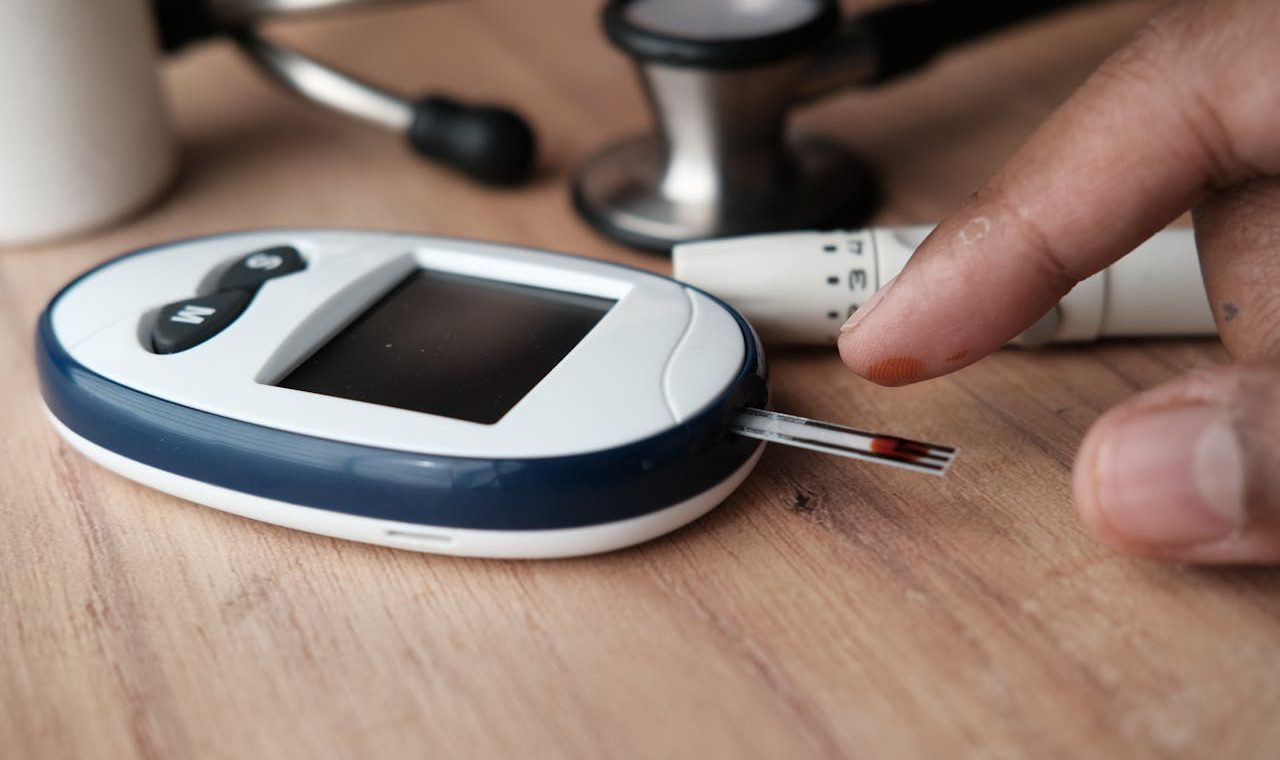
Checking blood sugar levels daily helps patients stay informed about their condition. Prediabetes can be managed with diet and exercise, but sudden changes in glucose levels should be reported to a healthcare provider.
2. Maintain a Balanced Diet
A diet rich in whole foods can help regulate blood sugar and reduce cardiovascular risk. Important dietary tips include:
- Eating lean proteins such as chicken, fish, and tofu
- Consuming fiber-rich foods like vegetables, fruits, and whole grains
- Avoiding processed sugars and refined carbohydrates
- Incorporating healthy fats like nuts, seeds, and olive oil
3. Exercise Regularly
Physical activity improves insulin sensitivity and supports heart health. Patients on Eliquis and prediabetes should engage in moderate exercise, such as:
- Brisk walking for 30 minutes daily
- Strength training twice a week
- Yoga or stretching to reduce stress levels
4. Maintain a Healthy Weight
Excess weight contributes to insulin resistance and increases the risk of blood clots. Even a small amount of weight loss can significantly improve health outcomes.
5. Avoid Smoking and Excessive Alcohol Consumption
Smoking increases the risk of heart disease, while alcohol can interfere with both blood sugar control and Eliquis effectiveness. Patients should minimize or eliminate these habits to improve their health.
6. Take Medications as Prescribed
Skipping doses or doubling up on medications can lead to complications. Patients should follow their doctor’s instructions carefully and discuss any concerns about drug interactions.
7. Stress Management and Sleep Hygiene
Chronic stress and lack of sleep can elevate blood sugar levels and worsen prediabetes symptoms. Engaging in relaxation techniques such as meditation, deep breathing, and maintaining a consistent sleep schedule can help regulate blood sugar and promote overall well-being.
Signs to Watch for When Taking Eliquis and Prediabetes
Patients should be aware of warning signs that may indicate a serious issue:
- Unexplained bruising or prolonged bleeding
- Dizziness or fainting
- Blood in urine or stool
- Shortness of breath or chest pain
- Severe headaches or sudden confusion
If any of these symptoms occur, immediate medical attention is necessary.
Consulting a Healthcare Provider
Managing Eliquis and prediabetes requires medical supervision. Regular check-ups help ensure medications are working effectively while minimizing risks. Patients should communicate openly with their doctors about:
- Any new symptoms or side effects
- Changes in diet or exercise routines
- Concerns about blood sugar levels
- Any additional medications or supplements they take
Conclusion
The relationship between Eliquis and prediabetes is complex, but with proper management, patients can reduce risks and improve their health. Maintaining stable blood sugar, following a heart-healthy diet, and adhering to prescribed medications are essential steps. By working closely with a healthcare provider, individuals can navigate both conditions safely and effectively. Long-term commitment to healthy habits and regular medical care can enhance quality of life and prevent complications associated with prediabetes and anticoagulant therapy.