
Eliquis and Safe Meal Choices: A Guide to Eating Well on Blood Thinners
Eliquis (apixaban) is a commonly prescribed anticoagulant used to reduce the risk of stroke and blood clots in people with atrial fibrillation (AFib), deep vein thrombosis (DVT), or pulmonary embolism (PE). Unlike warfarin, Eliquis does not require frequent blood tests or strict vitamin K monitoring, but diet still plays a significant role in how well the medication works.
Making the right Eliquis and safe meal choices is essential for maintaining a balanced diet while reducing the risk of blood clots or excessive bleeding. Certain foods and drinks may interact with Eliquis, potentially leading to health complications. This guide provides an in-depth look at how to eat safely while on Eliquis, including the best food choices, what to avoid, and sample meal plans for optimal health.
Why Diet Matters When Taking Eliquis
Although Eliquis does not interact with vitamin K the same way warfarin does, diet still impacts overall blood health, heart function, and clot prevention. Some foods can:
- Increase bleeding risk by interfering with the body’s clotting mechanisms
- Affect how Eliquis is metabolized, potentially altering its effectiveness
- Impact heart health, which is crucial for individuals with AFib or a history of blood clots
By choosing the right foods, patients can support their medication regimen while promoting overall well-being.
Best Safe Meal Choices for People Taking Eliquis
A balanced diet for Eliquis users should focus on whole, nutrient-dense foods that promote heart health and steady energy levels. The following food groups contain some of the best Eliquis and safe meal choices for long-term health.
1. Lean Proteins for Strength and Recovery
Protein is essential for tissue repair, muscle maintenance, and overall health. Eliquis users should choose lean protein sources that support heart health without excessive saturated fat.
Best Protein Choices:
- Skinless poultry (chicken and turkey)
- Fish (especially salmon, trout, and mackerel for their omega-3 benefits)
- Eggs (rich in protein without affecting clotting factors)
- Legumes and beans (such as lentils, black beans, and chickpeas for plant-based protein)
- Tofu and tempeh (nutritious vegetarian options with high protein content)
Proteins to Avoid or Limit:
- Red meat (high in saturated fat, which can contribute to heart disease)
- Processed meats (such as bacon, sausage, and deli meats, which contain unhealthy additives)
- Fried meats (which contain trans fats that may negatively impact heart health)
2. Whole Grains for Long-Lasting Energy
Whole grains are an important source of fiber, which helps maintain healthy digestion and stable blood sugar levels. Choosing whole, unprocessed grains over refined options can promote better cardiovascular health.
Best Whole Grain Choices:
- Brown rice
- Quinoa
- Oats
- Whole wheat bread and pasta
- Barley and bulgur
Grains to Avoid:
- White bread and refined pasta (which lack fiber and cause blood sugar spikes)
- Sugary cereals (which may contribute to inflammation and weight gain)
3. Heart-Healthy Fats for Cardiovascular Support
Healthy fats play a key role in reducing inflammation and supporting heart health, especially for people taking blood thinners. The right fats can lower bad cholesterol levels while promoting overall circulation.
Best Fat Sources:
- Olive oil (a great alternative to butter and margarine)
- Avocados (rich in heart-healthy monounsaturated fats)
- Nuts and seeds (such as almonds, walnuts, flaxseeds, and chia seeds)
- Fatty fish (which provide beneficial omega-3 fatty acids)
Fats to Avoid:
- Fried foods (which contain trans fats and can increase inflammation)
- Butter and lard (which are high in saturated fat)
- Processed vegetable oils (such as soybean and palm oil, which may contain unhealthy additives)
4. Fruits for Essential Vitamins and Antioxidants
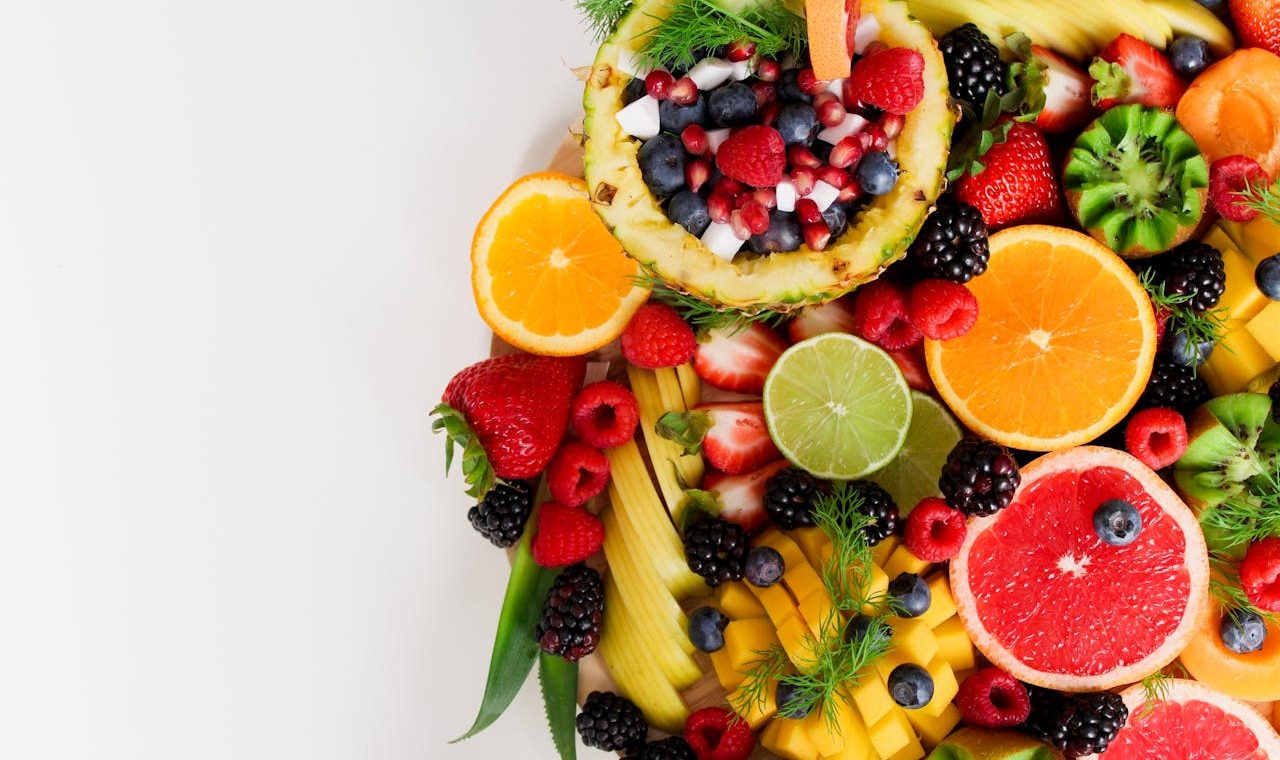
Fruits provide essential vitamins, minerals, and antioxidants while supporting overall health. Most fruits are safe for Eliquis users, but some require moderation.
Best Fruit Choices:
- Apples
- Berries (strawberries, blueberries, raspberries)
- Oranges and citrus fruits
- Bananas
- Peaches and pears
Fruits to Avoid or Limit:
- Grapefruit and pomegranate (which can interfere with how the liver processes Eliquis, increasing bleeding risk)
5. Vegetables for Nutrient-Rich Meals
Vegetables are essential for a balanced diet, but those high in vitamin K should be consumed in moderation to maintain a consistent intake.
Best Vegetable Choices:
- Bell peppers
- Carrots
- Zucchini
- Sweet potatoes
- Cauliflower
Vegetables to Eat in Moderation:
- Leafy greens (spinach, kale, Swiss chard) – These are high in vitamin K, which can impact clotting if consumed inconsistently.
Foods and Drinks to Avoid While Taking Eliquis
Some foods and drinks can increase bleeding risk or interfere with the way Eliquis is metabolized. These should be limited or avoided.
1. Alcohol
Excessive alcohol consumption can increase the risk of internal bleeding. While moderate consumption (one drink per day for women, two for men) may be safe, it is best to consult a doctor.
2. Grapefruit and Pomegranate
Both fruits contain compounds that affect liver enzymes, which can alter Eliquis levels in the bloodstream.
3. High-Sodium Processed Foods
Processed foods, such as canned soups, frozen meals, and fast food, contain excessive sodium, which can raise blood pressure and increase the risk of heart disease.
4. Herbal Supplements and Green Tea
Certain herbal supplements, including ginseng, St. John’s wort, and turmeric, may increase bleeding risk. Green tea also contains vitamin K and should be consumed in moderation.
Sample Daily Meal Plan for Eliquis Users
To make meal planning easier, here is a sample day of Eliquis and safe meal choices that balances nutrients and avoids risky foods.
Breakfast:
- Scrambled eggs with whole wheat toast and avocado
- Fresh orange slices
- Herbal tea or water
Lunch:
- Grilled salmon with quinoa and roasted bell peppers
- Side of mixed berries
- Unsweetened iced tea or water
Snack:
- A handful of almonds and a banana
Dinner:
- Baked chicken breast with roasted sweet potatoes and steamed carrots
- A small whole wheat roll
- Water or mild herbal tea
Final Thoughts on Eliquis and Safe Meal Choices
Maintaining a balanced diet while taking Eliquis is essential for heart health, stable blood clotting, and overall well-being. By focusing on lean proteins, whole grains, healthy fats, and fresh fruits and vegetables, patients can support their treatment plan while avoiding potential complications.
While Eliquis does not require strict dietary restrictions like warfarin, certain foods, such as grapefruit, excessive alcohol, and high-sodium processed foods, should be avoided. Maintaining a consistent intake of vitamin K-rich foods rather than consuming large amounts sporadically is also key.
If you have concerns about Eliquis and safe meal choices, speak with a doctor or registered dietitian. With the right dietary approach, you can support your heart health while ensuring Eliquis works effectively.