
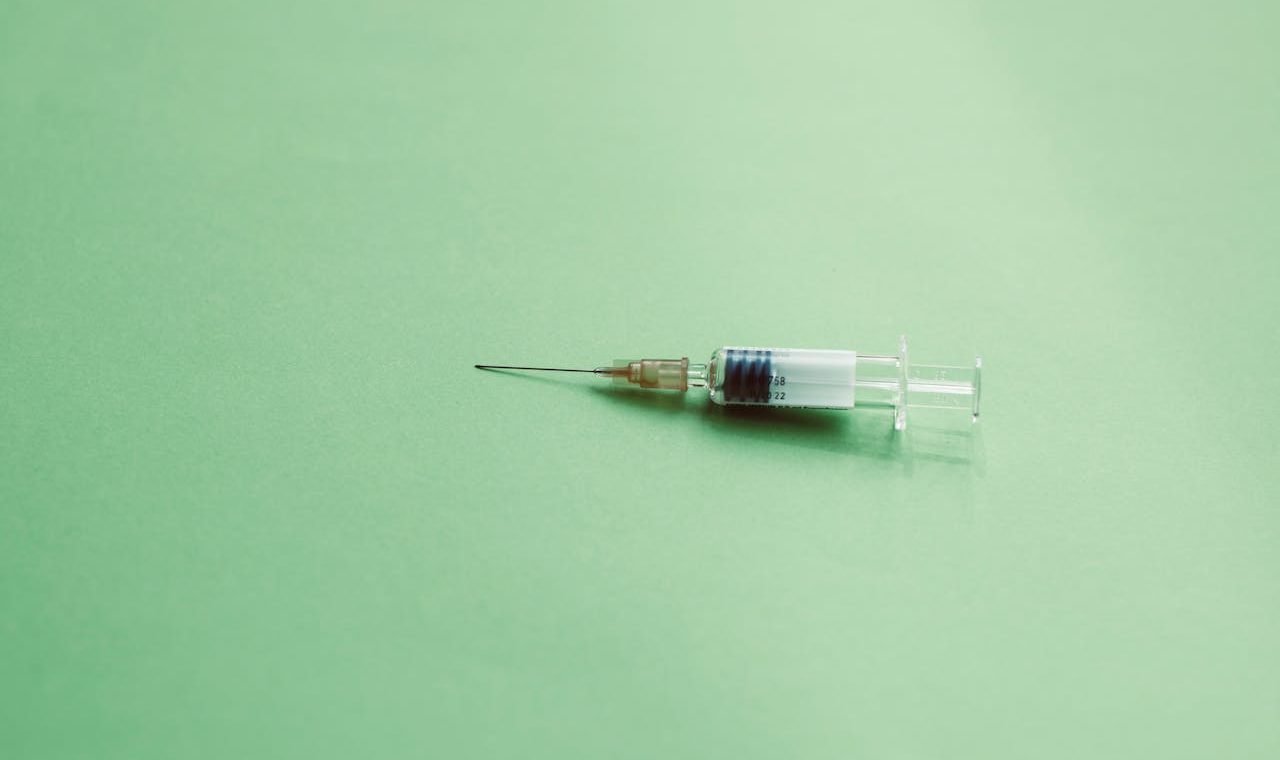
Starting Saxenda Injections: A Guide for Safe and Effective Weight Loss
Weight loss is a journey that many people struggle with, often facing challenges in controlling appetite and maintaining a healthy lifestyle. For individuals who have difficulty losing weight through diet and exercise alone, prescription medications like Saxenda can offer additional support.
Saxenda is an FDA-approved injectable weight loss medication designed to help individuals with obesity or weight-related health conditions manage their weight effectively. If you are considering starting Saxenda injections, it is crucial to understand how this medication works, how to use it safely, and what to expect throughout your weight loss journey.
This comprehensive guide covers everything you need to know about starting Saxenda injections, from the benefits and side effects to step-by-step instructions on proper administration and long-term success tips.
What Is Saxenda and How Does It Work?
Saxenda is a glucagon-like peptide-1 (GLP-1) receptor agonist, which means it mimics a natural hormone in the body that helps regulate hunger. By affecting appetite control, Saxenda helps individuals consume fewer calories and make healthier food choices.
How Saxenda Works in the Body
- Suppresses Appetite – Saxenda acts on the brain’s hunger control center, making you feel full for longer periods.
- Slows Digestion – The medication delays the rate at which food leaves the stomach, leading to a prolonged feeling of satiety.
- Regulates Blood Sugar Levels – Saxenda prevents sudden spikes and drops in blood sugar, reducing cravings and stabilizing energy levels.
- Encourages Steady Weight Loss – By controlling hunger and caloric intake, Saxenda promotes gradual and sustainable weight loss.
Studies show that when combined with healthy eating and exercise, individuals using Saxenda experience significant weight reduction over time.
Who Can Use Saxenda?
Before starting Saxenda injections, it’s important to determine if you are eligible for this treatment.
Candidates for Saxenda
- Adults with a Body Mass Index (BMI) of 30 or higher (Obesity)
- Adults with a BMI of 27 or higher (Overweight) and at least one weight-related health condition, such as:
- High blood pressure
- Type 2 diabetes
- High cholesterol
- Children aged 12 years and older with obesity
Who Should NOT Use Saxenda?
Saxenda is not suitable for individuals who:
- Are pregnant or breastfeeding
- Have a personal or family history of medullary thyroid carcinoma (MTC)
- Have multiple endocrine neoplasia syndrome type 2 (MEN 2)
- Are allergic to liraglutide or other ingredients in Saxenda
- Have severe gastrointestinal issues
Always consult a healthcare provider before starting Saxenda injections to ensure it is safe and appropriate for your medical condition.
How to Start Saxenda Injections
Step 1: Get Your Prescription
To begin starting Saxenda injections, your doctor will assess your medical history, weight, and health conditions before prescribing the medication.
Once prescribed, you will receive pre-filled Saxenda pens, which make self-injection easy and convenient.
Step 2: Follow the Recommended Dosage Schedule
Saxenda dosing is gradual to allow your body to adjust and minimize potential side effects. The typical dosage schedule is:
- Week 1: 0.6 mg once daily
- Week 2: 1.2 mg once daily
- Week 3: 1.8 mg once daily
- Week 4: 2.4 mg once daily
- Week 5 and Beyond: 3.0 mg once daily (Maintenance dose)
Increasing the dose gradually helps reduce nausea and other gastrointestinal side effects. Never exceed the prescribed dose without consulting your doctor.
Step 3: Choosing the Right Injection Site
Saxenda is a subcutaneous injection, meaning it should be administered under the skin in the following areas:
- Abdomen (avoid the area around the belly button)
- Thighs
- Upper arms
To prevent irritation or lumps, rotate injection sites daily. Avoid injecting into bruised, swollen, or scarred areas.
Step 4: Proper Injection Technique
When starting Saxenda injections, follow these steps for a safe and effective dose:
- Wash your hands thoroughly.
- Check the Saxenda pen – Ensure the solution is clear and particle-free.
- Attach a new needle and remove the protective cap.
- Set your dose by turning the dose selector to the correct amount.
- Pinch the skin slightly at the injection site.
- Insert the needle at a 90-degree angle into the skin.
- Press the injection button and hold for 6 seconds.
- Remove the needle and safely dispose of it in a sharps container.
After injecting, avoid rubbing the site to prevent irritation.
What to Expect After Starting Saxenda Injections
1. Gradual Weight Loss
Saxenda promotes slow and steady weight reduction. Most users experience:
- 4-5% body weight loss in the first few months
- Continued progress over 6-12 months
- Greater results when combined with healthy lifestyle changes
2. Appetite Control
Many individuals notice a significant reduction in hunger within the first few days. This helps control portion sizes and reduces snacking.
3. Common Side Effects
While Saxenda is effective, some individuals may experience side effects, especially in the beginning. The most common include:
- Nausea
- Vomiting or diarrhea
- Constipation
- Headache
- Fatigue
- Mild dizziness
These symptoms often improve within a few weeks as the body adjusts. Staying hydrated and eating smaller meals can help manage discomfort.
Tips for Success When Starting Saxenda Injections
1. Be Consistent
Inject Saxenda at the same time every day for the best results.
2. Eat a Balanced Diet
Consume lean proteins, vegetables, whole grains, and healthy fats while limiting processed foods and sugar.
3. Exercise Regularly
Engage in at least 150 minutes of moderate activity per week, such as walking or swimming.
4. Stay Hydrated
Drink 8-10 glasses of water daily to minimize side effects like nausea.
5. Track Your Progress
Keep a journal of your weight, food intake, and exercise habits.
6. Be Patient and Stay Motivated
Weight loss takes time. Celebrate small milestones and stay committed to long-term success.
When to Contact a Doctor
While Saxenda is generally safe, some symptoms require medical attention, including:
- Severe nausea, vomiting, or dehydration
- Intense stomach pain (possible pancreatitis)
- Persistent heart palpitations or dizziness
- Signs of thyroid issues (swelling, lumps, or hoarseness)
If you experience any of these symptoms, stop taking Saxenda and seek medical advice immediately.
Final Thoughts on Starting Saxenda Injections
Starting Saxenda injections can be a powerful tool for weight management when used correctly. By reducing hunger, regulating blood sugar, and promoting gradual weight loss, Saxenda helps individuals achieve long-term weight loss success.
If you are considering starting Saxenda injections, consult your doctor to determine if it is right for you. With proper use, lifestyle changes, and consistency, Saxenda can help you take control of your health and achieve your weight loss goals.