
A Complete Guide to Diet: What Foods Should You Avoid on Blood Thinners?
Blood thinners are commonly prescribed medications that help prevent blood clots. They are essential for people with heart conditions, history of stroke, or those at risk of deep vein thrombosis. While these drugs are effective, they also come with dietary restrictions. Managing what you eat while taking blood thinners is crucial for your safety and health.
In this detailed guide, we’ll answer the big question: What foods should you avoid on blood thinners? We’ll also talk about food interactions, meal planning, and simple strategies to enjoy eating while staying safe.
Understanding Blood Thinners
Before we dive into the foods to avoid, it’s helpful to understand what blood thinners are. There are two main types:
- Anticoagulants like warfarin (Coumadin)
- Antiplatelet drugs like aspirin or clopidogrel (Plavix)
These medications don’t actually “thin” your blood. Instead, they reduce the blood’s ability to clot. That’s helpful in preventing strokes and other complications, but it also means you must be careful with certain foods, especially those that may interfere with the way your medication works.
So, what foods should you avoid on blood thinners? Let’s explore.
1. High-Vitamin K Foods
The number one group of foods to be mindful of when taking warfarin is those high in vitamin K. Vitamin K plays a major role in clotting, which can reduce the effectiveness of your medication.
Common high-vitamin K foods include:
- Kale
- Spinach
- Collard greens
- Swiss chard
- Broccoli
- Brussels sprouts
- Green tea (yes, even beverages!)
You don’t need to avoid these completely. Instead, keep your intake consistent. A sudden increase can cause your blood to clot too easily, and a sudden decrease can make your blood too thin.
Still, if you’re wondering what foods should you avoid on blood thinners?—large, inconsistent servings of these greens are at the top of the list.
2. Cranberry Juice and Cranberries
While cranberries are packed with antioxidants, they can cause issues when taken with blood thinners like warfarin. Some studies have suggested that large amounts of cranberry juice can enhance the effect of blood thinners, potentially leading to bleeding risks.
If you enjoy cranberry products, consume them in moderation. And if you’re starting blood thinners, ask your healthcare provider about safe amounts.
So, to answer again: What foods should you avoid on blood thinners? Cranberries should be approached with caution.
3. Alcohol
Alcohol can thin your blood and enhance the effects of blood thinning medications. This can increase the risk of bleeding, especially if you drink heavily or binge drink.
A glass of wine or beer once in a while might be fine, but regular drinking is not recommended. Speak to your doctor about your alcohol use, especially if you take warfarin or apixaban.
When looking at what foods should you avoid on blood thinners, alcohol is one of the most important to moderate.
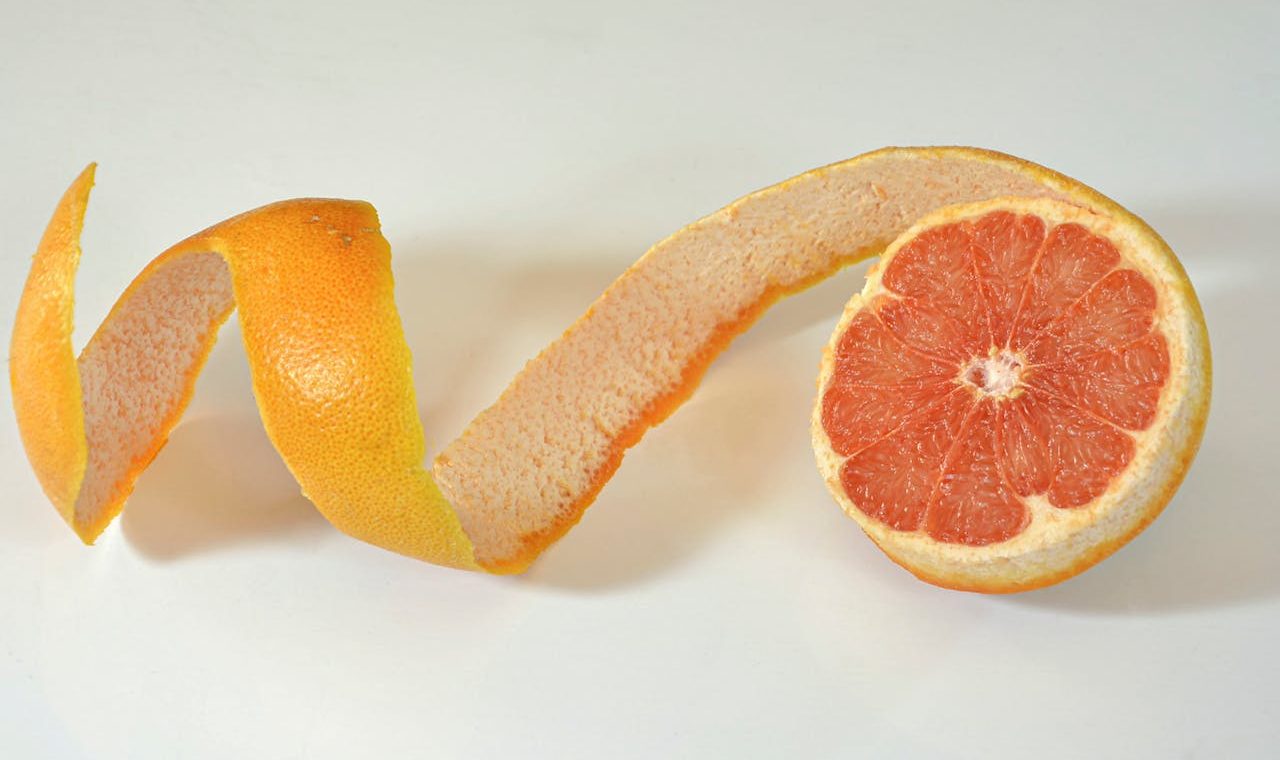
4. Grapefruit and Grapefruit Juice
Grapefruit and grapefruit juice interact with many medications, including some blood thinners like rivaroxaban (Xarelto). Grapefruit can inhibit enzymes in the liver that help break down medications. This can make the drug stay in your system longer than it should.
Even small amounts may cause problems if you’re on a sensitive dosage. Always check with your pharmacist or doctor before consuming grapefruit products.
Yet again, what foods should you avoid on blood thinners? Grapefruit makes the list every time.
5. Garlic in High Amounts
Garlic is known for its heart-healthy properties. But in large amounts, it can increase bleeding risk. Garlic supplements or eating raw garlic in excess can enhance the blood-thinning effects of medications.
Using garlic for flavor in cooking is fine. But high-dose supplements should be avoided unless cleared by your doctor.
Remember, what foods should you avoid on blood thinners? It’s not just meals—it includes supplements too.
6. Ginger and Turmeric (in Excess)
Ginger and turmeric are natural anti-inflammatory herbs that also have mild blood-thinning properties. While healthy in small culinary amounts, large doses—especially in teas or supplements—can increase bleeding risk.
People often overlook herbs and spices, but they count. Always include them in conversations with your healthcare team.
If you’re wondering what foods should you avoid on blood thinners?, include herbal teas and powders in that list too.
7. Licorice (Especially Black Licorice)
Licorice may interact with blood thinners, particularly warfarin, by affecting how it’s metabolized in the body. Some types can even reverse the effects of your medication.
Black licorice is found in candies, teas, and some herbal products. Read labels carefully and avoid it unless your doctor says otherwise.
This one surprises many people asking what foods should you avoid on blood thinners?, but it’s a hidden danger.
8. Certain Oils: Fish Oil and Vitamin E
Both fish oil and vitamin E can have blood-thinning effects. While these are often considered beneficial for heart health, they can be risky when combined with prescribed blood thinners.
If you’re taking fish oil supplements, be cautious. High doses can increase bleeding. Talk to your healthcare provider before adding them to your routine.
Once more, what foods should you avoid on blood thinners? Anything that increases bleeding risk, even healthy supplements.
9. Over-the-Counter Herbal Supplements
While not “foods” in the traditional sense, many supplements count as part of your diet and can impact blood thinners.
Be wary of:
- Ginkgo biloba
- Dong quai
- St. John’s Wort
- CoQ10
These may interact with blood thinners or even reduce their effectiveness.
Ask yourself regularly: What foods should you avoid on blood thinners? If you’re taking it by mouth, it counts—supplements included.
10. Salty, Processed Foods
Too much sodium can cause water retention and increase blood pressure. While it doesn’t directly affect blood thinners, high salt intake can put extra strain on your heart and kidneys.
Also, processed foods may contain hidden ingredients that interact with your medication. Always read food labels.
Those aiming for a healthy lifestyle while managing their medication need to be mindful of this.
Tips for Managing Your Diet on Blood Thinners
It’s one thing to know what foods should you avoid on blood thinners? But it’s another to build a lifestyle around that knowledge. Here are tips to stay on track:
- Consistency is key. Don’t drastically change your intake of vitamin K-rich foods.
- Keep a food journal. Track your meals and symptoms.
- Communicate with your doctor. Always report new supplements or diet changes.
- Read food labels. Many products contain hidden herbs or nutrients.
- Stay hydrated. Proper hydration supports overall circulation and health.
Eating Out While on Blood Thinners
Dining at restaurants can be tricky, but not impossible. Let your server know if you’re avoiding certain foods. Ask about ingredients in dressings or sauces. When in doubt, stick to grilled meats, steamed veggies, and simple dishes.
You don’t have to give up your favorite meals—just make smart choices and avoid surprises.
Remember: What foods should you avoid on blood thinners? Any dish that contains hidden herbs, vitamin K, or unusual ingredients should raise a red flag.
Safe Foods to Enjoy
Let’s not only talk about what to avoid. Many delicious, safe options are available:
- Lean proteins: chicken, turkey, fish
- Whole grains: oats, quinoa, brown rice
- Fruits: apples, bananas, berries (avoid cranberry and grapefruit)
- Low-vitamin K veggies: carrots, cauliflower, mushrooms, onions
- Healthy fats: olive oil, avocados (in moderation)
Focus on building balanced meals that support your heart and don’t interfere with your medication.
Final Thoughts
Managing your diet on blood thinners doesn’t mean living in fear. It means being aware, informed, and consistent. You don’t need to cut out entire food groups. Instead, know your medications, understand food interactions, and communicate with your care team.
So, what foods should you avoid on blood thinners? In summary:
- Foods high in vitamin K (unless eaten consistently)
- Cranberries and grapefruit
- Alcohol and licorice
- Excess garlic, ginger, and turmeric
- Fish oil, vitamin E, and certain herbal supplements
Take control of your health one bite at a time. A safe diet can help you get the full benefit of your medication while living your life to the fullest.