
A Guide to Xarelto Bleeding Prevention: Stay Safe While Protecting Your Heart
Xarelto is a commonly prescribed blood thinner used to prevent strokes and blood clots. It plays a vital role in heart health for millions of Americans. However, like all anticoagulants, it carries a risk of bleeding.
That’s why understanding Xarelto bleeding prevention is so important. Whether you’re new to Xarelto or have been taking it for years, this guide is for you.
We’ll explain how to reduce your bleeding risk, recognize danger signs, and make smart lifestyle choices. Let’s explore how you can use this medication safely and confidently.
What Is Xarelto?
Xarelto is the brand name for rivaroxaban, a type of blood thinner known as a direct oral anticoagulant (DOAC).
Doctors in the United States often prescribe it for the following conditions:
- Atrial fibrillation not caused by heart valve disease
- Deep vein thrombosis (DVT)
- Pulmonary embolism (PE)
- To prevent clots after hip or knee replacement surgery
Xarelto works by blocking Factor Xa, a protein your body needs to form clots. This helps stop dangerous clots from forming in the heart, lungs, or legs.
Why Bleeding Is a Concern
Blood thinners like Xarelto are effective at preventing strokes and clots, but they make it harder for your blood to clot normally.
This means even a minor injury could lead to more bleeding than usual. In rare cases, internal bleeding can be serious or even life-threatening.
That’s why Xarelto bleeding prevention should be a top priority for anyone using this medication.
Common Bleeding Risks with Xarelto
Most people tolerate Xarelto well. But it’s important to understand the possible side effects, especially bleeding.
Here are some of the most common bleeding risks:
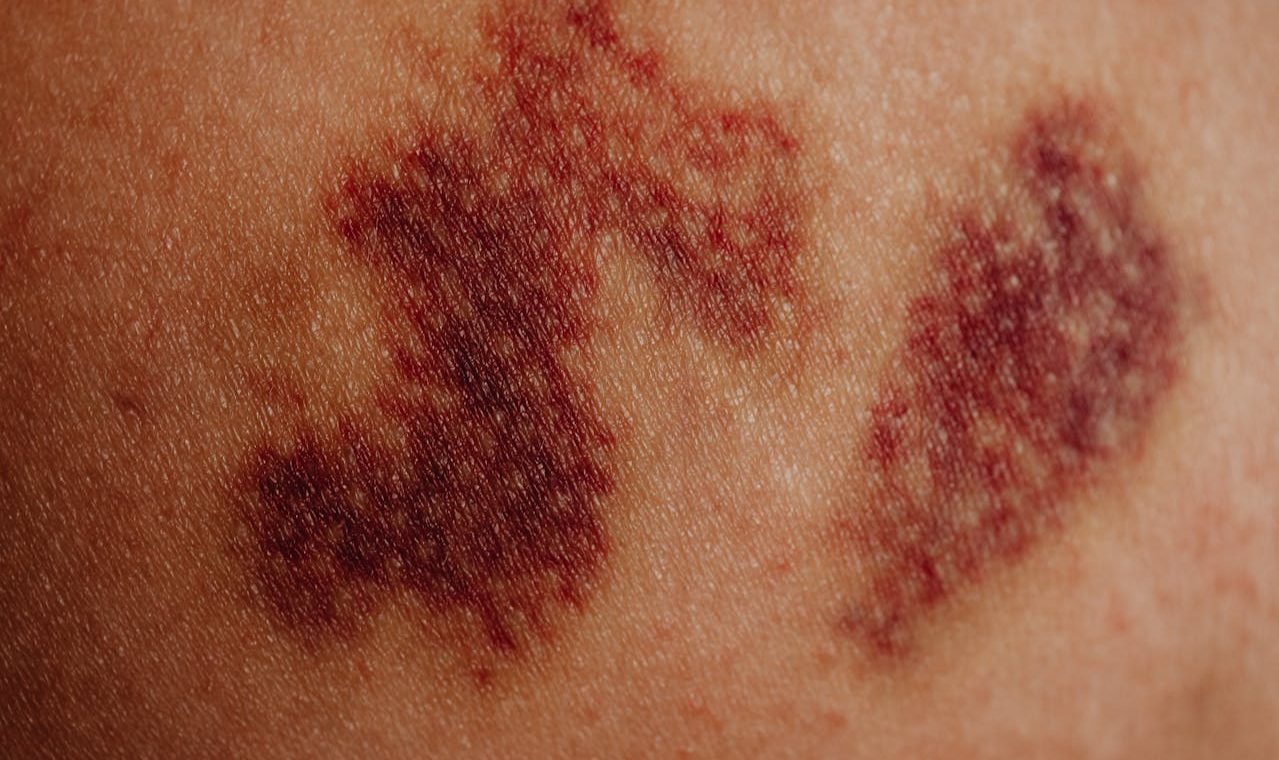
- Bruising easily
- Nosebleeds that won’t stop
- Bleeding gums
- Heavy or prolonged menstrual bleeding
- Blood in your urine or stool
- Internal bleeding in your stomach or brain (rare but serious)
These risks can be reduced with smart habits and medical supervision.
Who’s at Higher Risk?
Some people are more likely to experience bleeding while taking Xarelto. Factors that raise your risk include:
- Age 65 or older
- Kidney or liver problems
- History of ulcers or gastrointestinal bleeding
- Using other blood thinners or NSAIDs (like ibuprofen)
- Drinking alcohol frequently
- Taking certain antidepressants or steroids
If you fall into one of these categories, your doctor will monitor you more closely and discuss Xarelto bleeding prevention strategies.
Tips for Xarelto Bleeding Prevention
Here are effective ways to lower your risk while still getting the full benefit of your medication.
1. Take Xarelto Exactly as Prescribed
Never skip doses or double up. Follow your doctor’s instructions carefully. Taking too much or too little increases your risk.
2. Tell All Your Doctors
Always let your dentists, surgeons, or ER doctors know you’re taking Xarelto. This helps them plan safe care.
3. Avoid Other Blood Thinners Unless Advised
Don’t take aspirin, ibuprofen, or naproxen unless your doctor tells you it’s okay. These increase bleeding risk.
4. Limit Alcohol
Drinking too much alcohol can raise the risk of stomach bleeding. Stick to one drink per day (or less).
5. Watch for Injury Risks
Use extra caution when shaving, brushing teeth, or doing physical activities. Even small cuts can bleed longer than normal.
6. Protect Your Head
Head injuries can cause dangerous internal bleeding. Wear a helmet if biking, skating, or working in risky environments.
These simple changes can go a long way toward Xarelto bleeding prevention.
How to Recognize Warning Signs
Knowing the signs of dangerous bleeding can help you act quickly. Seek emergency care if you experience:
- Severe headache or confusion
- Vomiting blood or material that looks like coffee grounds
- Black or tarry stools
- Bright red blood in your stool or urine
- Unusual bruises that spread or hurt
- Coughing up blood
- Sudden weakness or dizziness
These symptoms may signal internal bleeding and should never be ignored.
What to Do if You Miss a Dose
Missing a dose of Xarelto can be risky, but don’t panic. Here’s what to do:
- If it’s still the same day, take the missed dose as soon as you remember.
- If it’s the next day, skip the missed dose—do not double up.
- Resume your regular schedule and inform your doctor.
Staying consistent is key for both stroke prevention and Xarelto bleeding prevention.
What to Avoid While on Xarelto
Certain foods, medications, and habits can make bleeding more likely. Here are things to watch out for:
Over-the-Counter Pain Meds
Avoid NSAIDs like:
- Ibuprofen (Advil, Motrin)
- Naproxen (Aleve)
These can irritate your stomach lining and increase bleeding risk.
Herbal Supplements
Some supplements may interfere with Xarelto or increase bleeding. Be cautious with:
- Ginkgo biloba
- Garlic pills
- Turmeric
- Fish oil
- St. John’s Wort
Always check with your provider before adding new supplements.
High-Impact Activities
Contact sports or intense exercise can lead to injuries. Try safer options like walking, yoga, or swimming.
These lifestyle adjustments support Xarelto bleeding prevention without compromising your quality of life.
How Doctors Monitor You on Xarelto
Unlike older blood thinners like warfarin, Xarelto doesn’t require routine blood monitoring. But doctors will still:
- Check your kidney and liver function
- Review any side effects or symptoms
- Adjust your dose if needed
Staying in touch with your doctor helps catch problems early and maintain good health.
When Surgery or Dental Work Is Planned
Before surgery, your provider may ask you to stop Xarelto temporarily. This reduces bleeding during and after the procedure.
Make sure to:
- Tell your surgeon and dentist in advance
- Follow the instructions on when to stop and restart Xarelto
- Never stop without medical advice
These precautions are a key part of Xarelto bleeding prevention during planned procedures.
Can Xarelto Be Reversed?
Until recently, bleeding from Xarelto was difficult to manage. However, there is now a reversal agent available called Andexxa.
This medication can quickly reverse the effects of Xarelto during a bleeding emergency or urgent surgery. Most large hospitals in the U.S. now carry Andexxa.
Talk with your provider about whether this option is available near you, especially if you’re at high bleeding risk.
Diet and Bleeding Risk
Unlike warfarin, Xarelto is not affected by vitamin K. That means you don’t need to limit leafy greens or adjust your diet dramatically.
Still, it’s smart to eat a balanced diet that supports your overall health and helps with wound healing.
Foods rich in:
- Vitamin C (for blood vessel health)
- Iron (to avoid anemia from blood loss)
- Protein (for tissue repair)
These support your body while also helping with Xarelto bleeding prevention naturally.
How Long Do You Stay on Xarelto?
It depends on why it was prescribed. Some people take Xarelto short-term after surgery. Others take it for life due to atrial fibrillation or clotting disorders.
Stopping Xarelto too early increases the risk of stroke or blood clots. Talk to your doctor before making any changes.
Travel Tips for Xarelto Users
Planning a trip? Here’s how to stay safe on the go:
- Bring enough medication for the entire trip
- Keep it in your carry-on, not checked luggage
- Wear a medical alert bracelet or carry a medication card
- Know where the nearest hospital or pharmacy is at your destination
Traveling safely is part of your personal Xarelto bleeding prevention plan.
Real-Life Patient Tips
Here are some helpful insights from people in the U.S. living on Xarelto:
“I use an electric razor and a soft-bristle toothbrush now. It really cut down on the small bleeds.”
– Kevin, 67, Arizona“My doctor helped me switch from ibuprofen to Tylenol for pain. I feel better and safer.”
– Rosa, 72, Illinois“I used to take herbal supplements. I had no idea they could interact until I talked to my pharmacist.”
– Thomas, 59, North Carolina
Learning from others can make Xarelto bleeding prevention easier and more realistic in daily life.
Final Thoughts: Stay Informed, Stay Protected
Xarelto is a life-saving medication for many people. But it comes with risks, especially related to bleeding.
By understanding Xarelto bleeding prevention, you take control of your health. You learn what to avoid, what to watch for, and how to live safely while still protecting your heart.
Never hesitate to ask your doctor questions or report symptoms. Prevention starts with awareness—and awareness saves lives.